




Iran rejects Pakistan’s claims of key role in US talks, says Qatar leads mediation efforts
- In Reports
- 01:47 PM, Jun 24, 2026
- Myind Staff
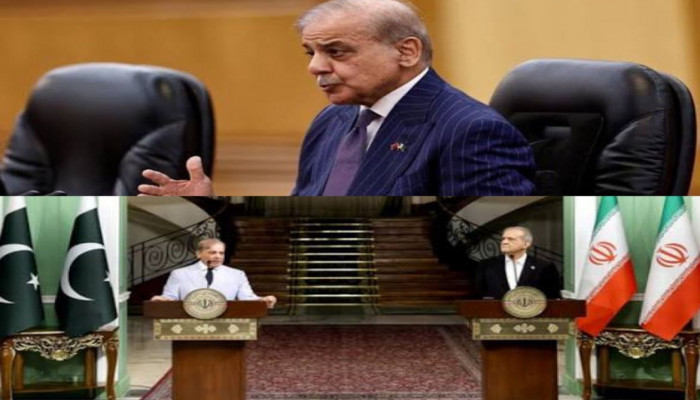
Iranian state media has rejected Pakistan Prime Minister Shehbaz Sharif’s claims regarding Islamabad’s role in negotiations between Iran and the United States. According to Iran’s Fars News Agency, Sharif’s remarks about the talks were “completely mistaken” and appeared to be based on incorrect or incomplete information. The report also dismissed Pakistan’s attempts to present itself as a major mediator between Tehran and Washington.
Fars News Agency reported that officials directly involved in the negotiations clarified that Iran’s missile programme is not part of the discussions taking place with the United States. The agency stated that the recently published Memorandum of Understanding (MoU) clearly indicates that missile-related issues are not included in the agenda of the talks.
The report further said that Pakistan is not playing any significant role in the ongoing diplomatic efforts between Iran and the US. Sources quoted by the agency claimed that Sharif’s comments were aimed at portraying Pakistan as an important intermediary, despite its limited involvement in the process.
According to the Iranian report, Qatar has emerged as the most effective facilitator of communication between Tehran and Washington. The Gulf nation is reportedly playing a much larger role in helping both sides maintain contact and advance negotiations. Iranian officials reportedly view Doha as a more trusted channel for diplomatic engagement.
Top Indian intelligence sources also shared insights into Tehran’s concerns regarding Pakistan’s involvement. According to these sources, Iranian officials believe Pakistan cannot be viewed as a completely neutral mediator because of its close strategic and defence relationship with Saudi Arabia.
“Due to Pakistan’s close strategic and defence ties with Saudi Arabia, including a mutual defence pact, Tehran sees Islamabad as favouring Sunni Gulf interests over Iran’s security concerns. This is leading to distrust in Pakistan-brokered arrangements," sources said.
The same sources stated that Iran has pushed back against Pakistan’s efforts to project itself as a leading intermediary in discussions involving Tehran and Washington. They noted that Iran remains cautious about Pakistan’s role and does not consider Islamabad a central player in the current diplomatic process.
Reports also suggest that Pakistan is neither a key signatory nor an influential participant in the recent understandings reached between Iran and the United States. Instead, Qatar has emerged as a more reliable and credible partner in facilitating dialogue between the two countries. The growing trust placed in Qatar is seen as one of the main reasons it has taken a more prominent position in the negotiations.
The developments come at a time when diplomatic efforts between Iran and the United States have gained momentum. Discussions between the two sides have focused on reducing tensions and exploring pathways for further engagement. Recent reports have highlighted progress in de-escalation efforts and the signing of a Memorandum of Understanding aimed at improving relations.
Iranian President Masoud Pezeshkian and Foreign Minister Abbas Araghchi recently visited Pakistan. During their visit, they held meetings with Pakistani President Asif Ali Zardari and Prime Minister Shehbaz Sharif. The meetings were part of broader diplomatic engagements between the neighbouring countries.
Despite the criticism contained in the Fars News Agency report, Iranian leaders publicly acknowledged Pakistan’s support during the diplomatic process. President Pezeshkian appreciated Pakistan’s role in facilitating negotiations and helping create conditions that contributed to the signing of the Memorandum of Understanding.
The differing narratives have highlighted the debate over Pakistan’s actual influence in the Iran-US dialogue. While Pakistani leaders have projected their country as an active participant in the diplomatic efforts, Iranian media reports suggest that Tehran sees Qatar as the primary facilitator and places greater trust in its role. The latest comments from Iranian state media indicate that Pakistan’s contribution is viewed as limited and that its claims of playing a major mediatory role are not accepted by key figures involved in the negotiations.
As diplomatic engagement between Iran and the United States continues, Qatar appears set to remain the leading channel for communication between the two sides. Meanwhile, questions over Pakistan’s role are likely to persist as conflicting claims emerge from different stakeholders involved in the process.



 Loading...please wait
Comments