



Iran rejects Islamabad talks with US, calls demands ‘unacceptable’
- In Reports
- 12:57 PM, Apr 04, 2026
- Myind Staff
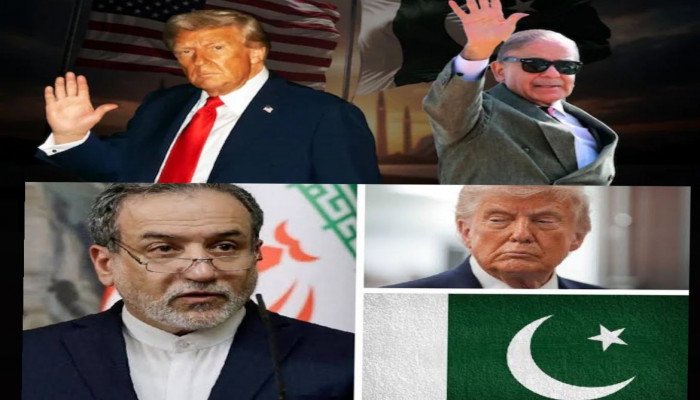
Efforts to ease tensions between the United States and Iran have hit a major roadblock after Tehran refused to take part in proposed talks in Islamabad. According to a report by The Wall Street Journal, ongoing attempts to broker a ceasefire have stalled, dealing a serious setback to regional diplomatic efforts.
The report stated that mediation initiatives led by countries in the region, including Pakistan, have failed to bring progress. “Current mediation efforts led by regional countries, including Pakistan, to broker a ceasefire between the United States and Iran have reached a dead end,” the report said. This reflects growing difficulties in convincing both sides to come to the negotiating table.
Iran has clearly communicated its position to mediators. It has refused to meet US officials in Islamabad in the coming days. The report said, “Iran has officially told mediators that it is unwilling to meet US officials in Islamabad and that US demands are unacceptable.” This decision comes at a time when several countries were trying to create a platform for dialogue and reduce tensions.
Pakistan had earlier shown willingness to host discussions between the two countries. Officials in Islamabad had expressed hope that such talks could help move toward a ceasefire. However, with Iran stepping back, these plans now appear uncertain. The setback highlights the challenges faced by regional players trying to act as intermediaries in the conflict.
Pakistan’s Foreign Minister Ishaq Dar had said that the country was ready to support peace efforts. He noted that Pakistan would be “honoured to host and facilitate meaningful talks.” Despite this openness, the lack of agreement from Iran has slowed down any immediate progress toward dialogue.
On the other side, US President Donald Trump had earlier indicated that discussions with Iran were ongoing. He said, “We’re doing extremely well in that negotiation,” but did not provide further details about the nature or status of these talks. His statement now contrasts with Iran’s clear denial of direct engagement.
Iran has also rejected earlier suggestions that it was participating in Pakistan-led efforts. The country has maintained that it has not been directly involved in such discussions. This position was reinforced through an official statement shared on social media.
In a message posted on X by Iran’s Consulate General in Mumbai, Foreign Ministry spokesperson Esmail Baghaei clarified Tehran’s stance. He said there were no direct talks with the United States and that Iran had only received “excessive and unreasonable demands” through intermediaries. This statement highlighted Iran’s dissatisfaction with the proposals being discussed.
Baghaei also made it clear that Iran had no role in any Pakistan-facilitated platforms. “Pakistan’s forums are their own; we didn’t participate,” the statement said. He added that while regional efforts to end the conflict were appreciated, “one must remember who started it.” This remark suggests that Iran continues to place responsibility for the conflict on the United States.
Further details revealed that Iran had been presented with a proposal from the Trump administration. According to Baghaei, the plan included 15 points. However, he strongly criticised it, calling it “excessive, unrealistic and irrational.” This response further explains why Iran is unwilling to move forward with the current framework for talks.
The situation has created uncertainty around future diplomatic efforts. With Iran refusing to engage directly and rejecting the proposed terms, the chances of immediate negotiations appear low. It also raises questions about the role of regional mediators and whether alternative approaches will be considered.
Overall, the breakdown in talks highlights the ongoing tension between the United States and Iran. Despite multiple efforts to bring both sides together, key differences remain unresolved. The failure of the Islamabad meeting plan underscores the fragility of the diplomatic process and the difficulty of achieving a ceasefire in the near future.



 Loading...please wait
Comments