




Iran rejects 15-point US peace plan as ‘illogical’, puts forth new conditions
- In Reports
- 07:20 PM, Apr 06, 2026
- Myind Staff
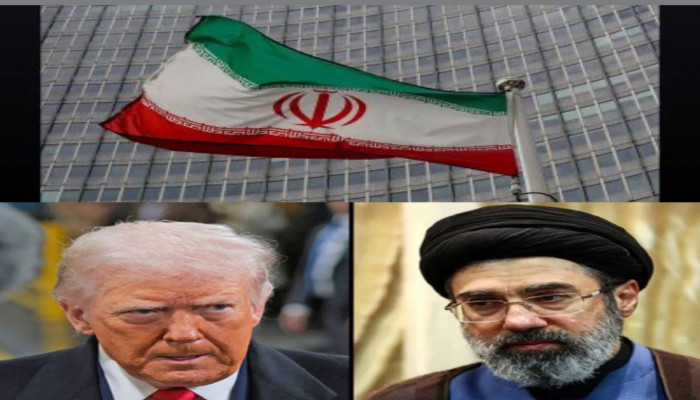
Iran has rejected the United States’ earlier 15-point peace proposal, calling it “extremely ambitious and illogical,” as tensions continue to rise ahead of the deadline set by US President Donald Trump. The rejection signals a clear shift in stance from Tehran, which has now prepared its own set of demands to counter the US framework and shape future negotiations on its own terms.
The response came from Iran’s Foreign Ministry, which indicated that the US proposal did not match the realities on the ground and placed expectations that were not acceptable to Tehran. By describing the plan as impractical, Iran made it clear that it would not agree to a framework it sees as one-sided or disconnected from the current situation.
Officials also confirmed that Iran has now “formulated and documented” its own demands, marking a significant development in the ongoing conflict. This move suggests that Iran is not only rejecting the US proposal but is also attempting to take control of the negotiation process by putting forward its own conditions.
The timing of this decision is crucial, as it comes just before Trump’s deadline for reaching a ceasefire or broader agreement. The US has been pushing for a resolution through its proposed plan, but Iran’s rejection indicates that a consensus is still far from reach. The gap between both sides remains wide, raising doubts about the possibility of an immediate breakthrough.
Iran has maintained that its position is based on protecting its national interests and sovereignty. Officials have emphasised that any agreement must reflect these priorities rather than being imposed under pressure. This firm stance highlights Tehran’s unwillingness to accept external demands without negotiation on equal terms.
At the same time, Iranian authorities have stressed that their approach should not be misunderstood as a sign of compromise. Instead, they see their newly prepared demands as a demonstration of confidence and clarity in their position. The government has also indicated that it will not respond positively to threats or ultimatums, reinforcing its resistance to pressure from Washington.
The broader situation remains tense, with both sides continuing to exchange strong statements while indirect diplomatic efforts are ongoing. The US has been working through intermediaries to push for a ceasefire, but Iran’s latest response suggests that these efforts have not yet led to any meaningful agreement.
There is also continued uncertainty around whether formal negotiations are taking place. While US officials have suggested that talks are underway, Iran has often denied this, adding confusion to the already complex diplomatic situation. This lack of clarity has made it difficult to assess how close both sides are to any possible resolution.
The rejection of the US plan also reflects deeper issues of mistrust between the two countries. Years of conflict and disagreement have made it difficult for both sides to find common ground. Iran’s decision to present its own demands shows that it wants to define the terms of engagement rather than accept a framework created by the US.
As the deadline approaches, the situation remains uncertain and highly sensitive. Iran’s strong response to the US proposal and its decision to move forward with its own terms could either open a new phase of negotiations or further increase tensions. The coming days will be critical in determining whether both sides can move closer to a deal or continue on a path of confrontation.



 Loading...please wait
Comments