



Iran refuses talks under pressure, warns US of ‘new battlefield’ moves
- In Reports
- 12:10 PM, Apr 21, 2026
- Myind Staff
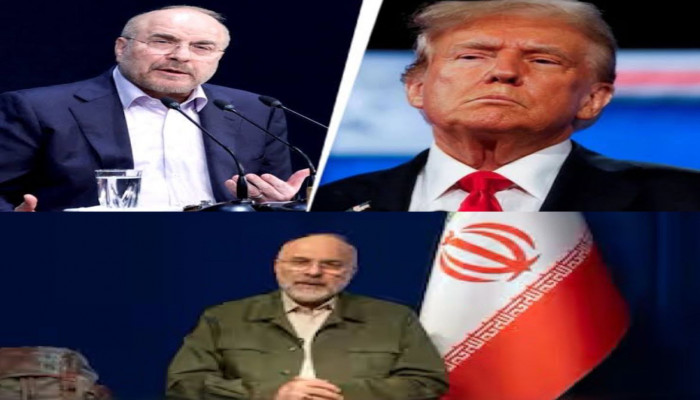
Tensions between Iran and the United States have sharply intensified, with Tehran taking a firm stand against negotiating under pressure. Iran’s chief negotiator and Parliamentary Speaker Mohammad Baqer Ghalibaf accused Washington of trying to force submission through diplomacy backed by threats. He made it clear that Iran would not accept such an approach and warned that the country is prepared to respond strongly if the situation worsens.
In a post on X, Ghalibaf said the US was attempting to turn negotiations into a “table of surrender.” He cautioned that Iran has prepared to reveal “new cards on the battlefield” if tensions escalate further. His statement reflects growing frustration in Tehran over what it sees as aggressive tactics by Washington, especially at a time when fragile diplomatic efforts are already under strain.
The remarks came soon after former US President Donald Trump issued a strong warning ahead of the April 22 deadline tied to a temporary two-week ceasefire. Speaking to PBS News, Trump said that if no agreement is reached, “then lots of bombs start going off.” His statement highlighted the seriousness of the situation and raised concerns about a possible return to direct conflict if talks fail.
Trump also expressed uncertainty about whether Iran would take part in the next round of negotiations scheduled in Islamabad. While both sides had earlier agreed to attend, he indicated that Tehran’s participation was not guaranteed. At the same time, he said the US delegation would go ahead regardless, showing that Washington is prepared to continue diplomatic efforts or shift its strategy if discussions collapse.
The standoff is unfolding against the backdrop of deep disagreements over Iran’s nuclear program. There are also concerns about disruptions in the Strait of Hormuz, which is a crucial route for global energy supplies. Although the current ceasefire has paused direct military action, mistrust continues to dominate the relationship between the two countries.
Iranian state media has hinted that Tehran may skip the upcoming talks. Reports suggest that Iran views the US position as demanding too much while also being inconsistent. This has added to doubts about whether meaningful progress can be made through dialogue at this stage.
Iran has also questioned the credibility of the ongoing diplomatic process. In a conversation with Pakistan’s Foreign Minister Ishaq Dar, Iranian Foreign Minister Abbas Araghchi pointed to what he described as “provocative actions and repeated ceasefire violations” by the US. He said these actions are major barriers to building trust and moving negotiations forward.
Araghchi further raised concerns about alleged threats and interference involving Iranian commercial vessels. He also criticised what he called contradictory statements and increasing pressure from the US. According to him, these mixed signals make it difficult to take the negotiation process seriously. He said Iran would review “all aspects” before deciding its next move, but did not confirm whether the country would attend the talks in Islamabad.
Iranian President Masoud Pezeshkian also reinforced the country’s firm position. He stressed that deep-rooted mistrust remains a major obstacle in relations with the US. In a post on X, he emphasised that trust and commitment are essential for any successful negotiation.
“Honouring commitments is the foundation of any meaningful dialogue,” he wrote. At the same time, he accused Washington of sending contradictory and unhelpful signals in recent days. He suggested that these actions appear to be an attempt to force Iran into submission, an approach he strongly rejected.
Pezeshkian said that recent US actions and statements send a “bitter message” that Washington is seeking Iran’s surrender. He made it clear that such a strategy would not work and insisted that the Iranian people would not give in to pressure. His comments underline the strong national stance against external coercion and highlight the challenges facing any future negotiations.
As the ceasefire deadline approaches, both sides remain locked in a tense and uncertain situation. The lack of trust, combined with strong rhetoric and unresolved disagreements, continues to raise fears of renewed conflict. Diplomatic efforts are still on the table, but the path forward remains unclear as both nations stand firm on their positions.



 Loading...please wait
Comments