



Iran pulls out of Islamabad talks over excessive US demands and naval blockade
- In Reports
- 01:19 PM, Apr 20, 2026
- Myind Staff
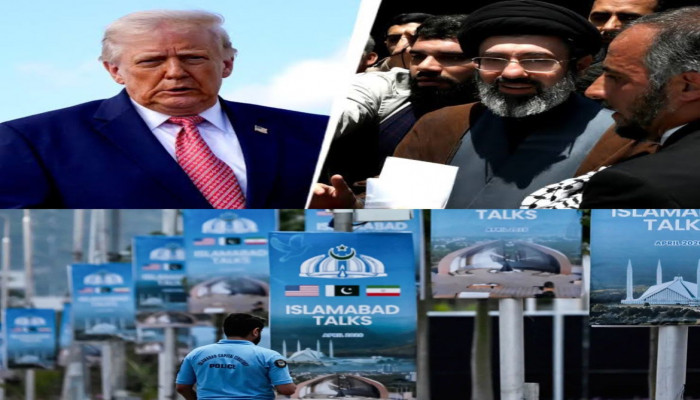
Hopes for progress in the ongoing conflict took a hit after Iran confirmed that it will not attend the second round of talks with the United States in Islamabad. The announcement came from state media on Sunday and has weakened efforts to extend a fragile ceasefire in a war that is now close to two months old.
According to Iran, the decision to skip the talks was due to Washington’s "excessive demands, unrealistic expectations, constant shifts in stance, repeated contradictions", along with the continued US naval blockade of Iranian ports. Tehran considers this blockade a violation of the ceasefire agreement, making it difficult to continue diplomatic discussions under such conditions.
The development followed earlier remarks by US President Donald Trump, who had said that American negotiators would reach Islamabad on Monday. His statement had briefly raised hopes of a breakthrough before the ceasefire deadline on April 22. However, those expectations quickly faded once Iran officially confirmed that it would not participate.
At a high-level meeting held on Sunday, Iran’s First Vice President Mohammad Reza Aref strongly criticised the US approach. He described American positions as "childish" and inconsistent, pointing out how the US calls for a ceasefire and negotiations while simultaneously applying pressure and later shifting to a more hardline stance. His comments reflected growing frustration within Iran over what it sees as unpredictable behaviour from Washington.
Earlier, the White House had indicated that Vice President JD Vance, who led the first round of lengthy discussions the previous week, was preparing to travel to Islamabad along with other senior officials. Pakistan had already tightened security in its capital in anticipation of the talks. With Iran stepping back, those preparations now appear unlikely to serve their purpose.
Iran’s decision also marked a sudden change in its earlier position. Reports had suggested that an Iranian delegation might arrive in Pakistan on Tuesday. In fact, Parliament Speaker Mohammed Bagher Qalibaf had recently stated that there would be "no retreat in the field of diplomacy". Despite these assurances, the situation shifted rapidly, possibly influenced by fresh warnings from the US leadership.
In a post on Truth Social on Sunday, Donald Trump issued a strong warning to Iran. He threatened to destroy civilian infrastructure if Tehran does not accept the deal being offered by the US. He stated that the United States would target key facilities, saying it would "knock out every single Power Plant, and every single Bridge, in Iran". He also pledged to end what he described as Tehran’s "killing machine".
Despite ongoing back-channel communication, both countries continue to stand firm on major issues. These include Iran’s nuclear enrichment programme, its support for regional groups such as Hezbollah, and control over the Strait of Hormuz. JD Vance had earlier acknowledged that deep mistrust between the two sides remains the biggest obstacle to reaching any agreement.
Meanwhile, the situation in the Strait of Hormuz has become increasingly tense. Iran has announced the closure of the key waterway and warned that any ship approaching it could be targeted. This has created serious disruption, with hundreds of vessels reportedly stranded at both ends of the strait. The route is critical for global energy supply, as nearly one-fifth of the world’s oil passes through it.
Iran has described the US naval blockade as an "act of aggression". Foreign ministry spokesperson Esmail Baghaei accused Washington of violating the ceasefire through its actions. On the other hand, Trump has accused Iran of attacking ships moving through the strait, further escalating the blame game between the two sides.
Tensions rose further on Saturday when Iranian gunboats fired at two Indian-flagged merchant ships. The vessels were forced to turn back, highlighting the risks faced by international shipping in the region. The incident adds to growing concerns over safety in one of the world’s most important maritime routes.
With both sides unwilling to compromise and tensions continuing to rise, the chances of a diplomatic breakthrough appear slim for now. Iran’s withdrawal from the Islamabad talks has added another layer of uncertainty to an already volatile situation, raising fears about what could happen once the ceasefire deadline passes.



 Loading...please wait
Comments