




Iran President, PM Modi discuss need for peace and stability in West Asia
- In Reports
- 12:49 PM, Jul 01, 2026
- Myind Staff
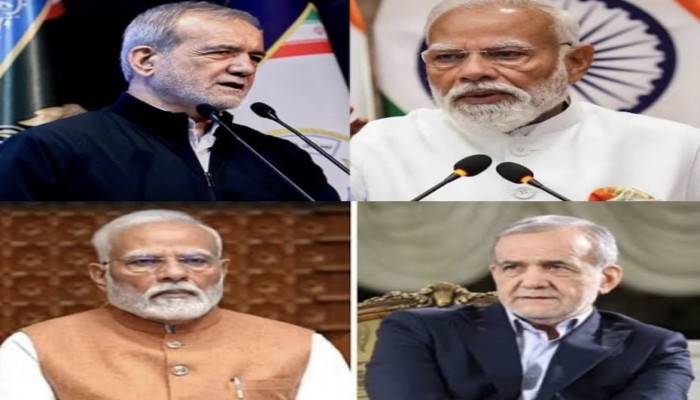
Prime Minister Narendra Modi and Iranian President Masoud Pezeshkian held a phone conversation on Tuesday to discuss the latest developments in West Asia. During the call, India stressed the need to maintain peace and stability in the region. The discussion took place amid concerns over the fragile ceasefire after recent military actions involving the US and Iran.
India also highlighted the importance of protecting freedom of navigation and global trade. According to the Indian government, Prime Minister Modi reiterated that continued efforts are necessary to ensure lasting peace and stability in West Asia. He also underlined the need to safeguard freedom of navigation and commerce, which remains important for India’s economic and energy interests.
After the conversation, Modi shared a message on social media. He said, “Welcomed the progress made in the negotiations and expressed hope that continued efforts will lead to lasting peace in the region. Reiterated the importance of freedom of navigation in the Hormuz Strait for India and the world.”
The Indian government’s official readout stated that Modi “reiterated the need for continued efforts to ensure lasting peace and stability in the region, and for safeguarding freedom of navigation and commerce”. The statement also said that the Prime Minister welcomed the understanding reached between Iran and the US. He “reiterated India’s consistent position that all issues must be resolved through dialogue and diplomacy”.
The Strait of Hormuz holds major strategic importance for India. It serves as a key route for transporting oil and other essential commodities. India faced shortages of oil, gas and fertilisers after the waterway remained closed in recent months. Nearly half of India’s oil imports pass through the Strait of Hormuz. In recent days, Tehran eased restrictions on the route. This allowed ships carrying these commodities to resume their journey. India has benefited from the restoration of movement through the waterway.
During the phone call, President Pezeshkian briefed Prime Minister Modi on the recent developments in West Asia. He also discussed the way forward, according to the Indian government’s readout. However, the statement did not provide further details about the issues discussed during this part of the conversation.
The conversation also came a few days after President Pezeshkian invited Prime Minister Modi to attend the funeral programme of former Supreme Leader Ali Khamenei. The six-day programme will begin this week and will take place across three cities in Iran.
The Indian government has not officially announced the level of its participation in the funeral events. However, people familiar with the matter said that Minister of State for External Affairs Pabitra Margherita and Bihar Governor Lt Gen (retired) Syed Ata Hasnain are expected to represent India. The funeral ceremony in Tehran is scheduled for July 4.
According to the same sources, Hasnain is among the few members of the Shia community who currently hold a senior constitutional position in India. Both leaders are expected to attend the programme on behalf of the country. The people shared this information on the condition of anonymity, as the government has not made a formal announcement.
Ali Khamenei, aged 86, was killed on February 28 during the first day of the West Asian conflict. The conflict began after Israel and the US launched attacks on Iran. Khamenei died in an airstrike that targeted the compound in Tehran where his office was located.
India did not immediately respond to the Israel-US military strikes that resulted in Khamenei’s death. On March 5, Foreign Secretary Vikram Misri visited the Iranian embassy in New Delhi. He signed the condolence book on behalf of the Government of India. The visit marked India’s first official response following Khamenei’s killing.
The latest phone conversation between Modi and Pezeshkian reflects India’s continued focus on diplomacy and regional stability. India has consistently called for dialogue to resolve conflicts and has stressed the importance of ensuring safe trade routes that are vital for global commerce and the country’s energy security.



 Loading...please wait
Comments