




Iran introduces bill on Strait of Hormuz amid renewed tensions
- In Reports
- 07:51 PM, Jul 14, 2026
- Myind Staff
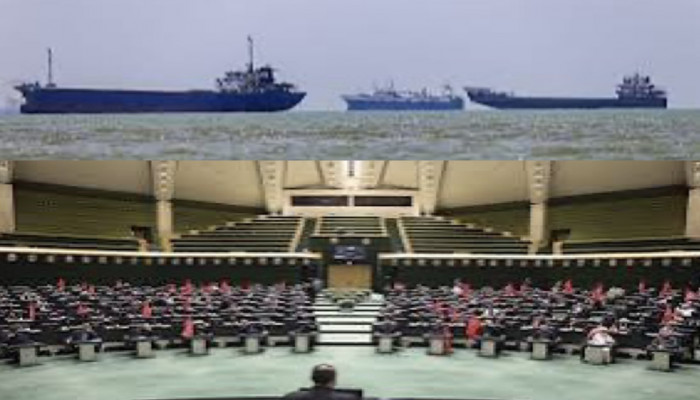
Iran's Parliament has introduced a new bill focused on the security and long-term management of the Strait of Hormuz. The move comes as tensions with the United States continue to rise over control of the strategically important waterway. The latest development has drawn global attention due to the Strait's vital role in international shipping and energy trade.
The proposed legislation, titled "Strategic Action for the Security and Sustainable Progress of the Strait of Hormuz and the Persian Gulf," entered Iran's Parliament on Tuesday. Ebrahim Azizi, who heads the Parliament's security committee, confirmed the development in a post on X. He linked the timing of the bill to the latest military confrontation between Iran and the United States.
"Last night, coinciding with the downing of US drones, the 'Strategic Action for the Security and Sustainable Progress of the Strait of Hormuz and the Persian Gulf' bill was formally introduced in Iran's Parliament," Ebrahim Azizi wrote on X.
He also made Iran's position clear on the issue. "We remain steadfast in defending our red lines, particularly regarding the management of the Strait of Hormuz," he added. "This is the first step; subsequent measures are forthcoming."
The bill comes amid renewed disagreements between Tehran and Washington over the future of the Strait of Hormuz. The latest dispute follows fresh confrontations that took place last week. These developments have created uncertainty over a framework agreement signed by both sides last month. The agreement aimed to end the Middle East war and reduce tensions in the region. The recent events have now raised fresh questions about its future.
Iran wants to manage the Strait of Hormuz and introduce transit fees for ships passing through the waterway. The United States strongly opposes this proposal. The Strait remains one of the world's most important maritime routes. A large share of global oil and cargo shipments passes through it every day. Any dispute involving the waterway has the potential to affect international trade and energy markets.
US President Donald Trump intensified the standoff with a major announcement on Monday. He said the United States was "taking over" the Strait of Hormuz. He also announced the reimposition of a blockade on Iranian ports. Along with these measures, Trump proposed a 20 per cent fee on cargo moving through the strategic waterway. His remarks added another layer of uncertainty to an already tense situation.
Iran responded with its own action soon after. On Sunday, Tehran announced that it had closed the Strait of Hormuz. The decision marked a major shift in its position. Iran had previously kept the waterway open during negotiations with the United States. Those talks focused on reaching a final agreement that would permanently end the war. The closure now signals a significant escalation in the ongoing dispute.
The renewed confrontation has increased concerns over the stability of one of the world's busiest shipping lanes. Governments and businesses continue to watch developments closely. Any disruption in the Strait of Hormuz could affect global supply chains, shipping operations and energy exports.
Meanwhile, Iran's Parliament resumed its work on Monday after remaining suspended during the war that began in late February. Lawmakers returned to legislative business at a time when political and diplomatic tensions remain high.
Not everyone in Parliament supports the negotiations with Washington. Several lawmakers have openly opposed the talks. They have also raised concerns over Parliament's limited role in approving the memorandum of understanding signed with the United States. These lawmakers believe the legislature should play a greater part in reviewing and approving such important agreements.
The introduction of the new Strait of Hormuz bill reflects Iran's effort to strengthen its position over one of the world's most critical maritime routes. At the same time, the dispute with the United States continues to deepen. With both sides standing firm on their positions, the future of the Strait of Hormuz remains uncertain. The latest political and military developments have kept global attention fixed on the region, where every new decision carries wider implications for international trade, shipping and regional stability.



 Loading...please wait
Comments