




Iran evaluating 14-point US proposal to end ongoing conflict
- In Reports
- 06:34 PM, May 06, 2026
- Myind Staff
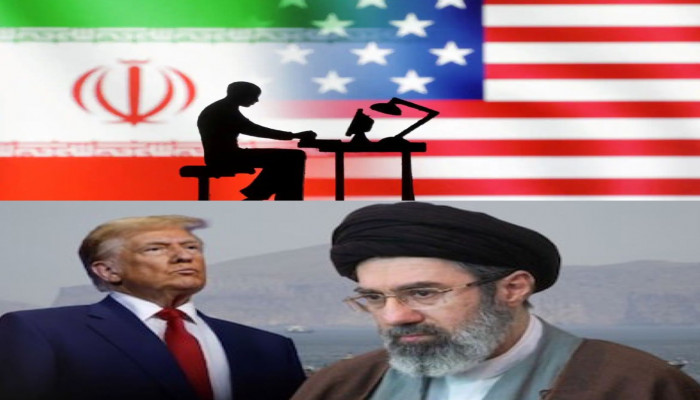
Iran is currently reviewing a 14-point peace proposal put forward by the United States to end the ongoing conflict in the Gulf. A spokesperson from Iran’s foreign ministry confirmed that the proposal is under evaluation, according to Reuters. The development signals a possible breakthrough as both sides appear to be moving closer to an agreement after weeks of tension.
According to Reuters, which cited a Pakistani source, the United States and Iran are nearing a deal on a one-page memorandum. This document is aimed at bringing an end to the conflict in the Gulf region. The report suggests that both countries are making progress in narrowing down their differences, raising hopes for a temporary halt in hostilities.
Earlier, Axios reported that officials from both sides were close to finalising a one-page framework containing 14 points. The report, based on inputs from two US officials and other sources familiar with the discussions, indicated that this framework could lead to a ceasefire and open the door for broader negotiations in the future. The proposed agreement is expected to act as a starting point rather than a final settlement.
The Axios report also mentioned that the United States was expecting Iran to respond on key aspects of the proposal within 48 hours. However, there was no immediate comment from the United States Department of State or the White House when asked about the ongoing talks. This silence suggests that negotiations are still at a sensitive stage.
As per details shared by Axios, the proposed deal includes several important commitments from both sides. Iran is expected to agree to a moratorium on nuclear enrichment. In return, the United States would lift its sanctions and release billions of dollars in frozen Iranian funds. Another key provision involves both countries easing restrictions related to transit through the Strait of Hormuz, which has been at the centre of recent tensions.
The memorandum is being negotiated by US envoys Steve Witkoff and Jared Kushner along with several Iranian officials. These discussions are taking place both directly and through mediators, as reported by Axios. The involvement of multiple channels reflects the complexity of the negotiations and the effort being made to reach common ground.
In its current version, the proposed memorandum would declare an end to the conflict in the region. It would also begin a 30-day negotiation period during which both sides would work on a more detailed agreement. This future agreement would focus on reopening the Strait of Hormuz, placing limits on Iran’s nuclear programme, and removing US sanctions. The idea is to use this initial agreement as a stepping stone for a more permanent solution.
During this 30-day period, restrictions imposed by Iran on shipping through the strait would be gradually lifted. At the same time, the US naval blockade of Iran would also be eased in phases. According to one US official quoted by Axios, if the negotiations fail, the United States would have the option to restore the blockade or resume military action. This condition highlights the fragile nature of the proposed arrangement.
Earlier developments also added to the situation. Donald Trump had announced a pause in “Project Freedom”, a mission launched to guide ships through the blocked strait. The mission was introduced on Sunday but failed to significantly restore traffic in the waterway. Instead, it led to increased tensions, including a fresh wave of Iranian strikes targeting ships in the strait and locations in nearby countries.
In a recent incident, a French shipping company reported that one of its container ships was hit in the strait. The attack took place a day earlier, and injured crew members had to be evacuated. This event underlines the ongoing risks in the region and the urgency of reaching a resolution.
While announcing the pause in the mission, Donald Trump referred to progress in the talks with Iran but did not share specific details. He stated, “We have mutually agreed that, while the Blockade will remain in full force and effect, Project Freedom (The Movement of Ships through the Strait of Hormuz) will be paused for a short period of time to see whether or not the Agreement can be finalized and signed,” Trump wrote on social media.
The naval mission had been launched after Trump indicated that he might reject Iran’s earlier proposal. That proposal, presented the previous week, also included 14 points. It suggested postponing discussions on nuclear issues until after the conflict ended and the dispute over shipping routes was resolved.
Overall, the situation shows cautious progress. Both sides appear willing to consider compromises, though key issues remain unresolved. The next few days are expected to be critical as Iran reviews the proposal and decides its response. The outcome could shape the future of the Gulf region and determine whether tensions ease or escalate further.



 Loading...please wait
Comments