




Iran discovers new gas field worth billions as US pressure mounts
- In Reports
- 05:52 PM, Aug 24, 2026
- Myind Staff
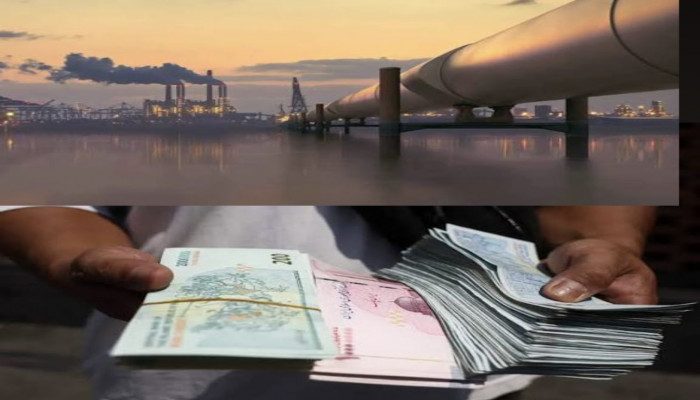
Iran has discovered a new gas field in southern Fars province that holds more than 7.5 trillion cubic feet of natural gas. Oil Minister Mohsen Paknejad said the discovery also includes gas condensate and has created “tens of billions of dollars of new wealth” for the country. The find comes as Tehran faces growing pressure from Washington over its energy trade and as regional tensions continue to affect Iran’s oil and gas sector.
Paknejad said around 5.7 trillion cubic feet of the newly discovered gas could be recovered. He based the estimate on a recovery rate of 73%. The recoverable volume is similar to one block of Iran’s giant South Pars gas field. It could meet gas demand for about 15 years, according to Iranian state media.
The discovery gives Iran another major energy resource at a difficult time for its oil and gas industry. Parts of the country’s energy infrastructure have suffered damage during the conflict involving Israel and the United States. Washington is also preparing additional economic measures to increase pressure on Tehran and on countries and companies that continue to conduct business with Iran.
Iran has some of the world’s largest oil and gas reserves. Yet sanctions, damaged infrastructure and uncertainty around the Strait of Hormuz have made it harder for the country to develop those resources and earn revenue from them. The latest discovery could strengthen Iran’s energy position, but bringing the gas into production will require significant investment and infrastructure.
Paknejad described the newly found gas as “sweet”. Sweet gas contains less sulphur and generally needs less processing before it can be used. This could help lower development and operating costs. The field also contains gas condensate, a valuable liquid hydrocarbon that is produced along with natural gas.
The oil minister linked the condensate to the financial value of the discovery. “In addition to this volume of gas, there is also a volume of gas condensate that has brought tens of billions of dollars of new wealth to the country,” Paknejad said. His statement refers to the wealth associated with the condensate. It does not represent an independent valuation of the newly discovered gas reserves.
The size of the discovery is significant when compared with Iran’s existing gas production. Before the war, Iran was producing an estimated 650 million cubic metres of gas each day. That amounts to roughly 8.4 trillion cubic feet a year. The country has also been working to restore production capacity lost after damage to its energy infrastructure.
The new field will not immediately add to Iran’s gas supply. Developing an underground gas resource requires investment, production facilities and transport infrastructure. Sanctions and continued regional tensions make that process more difficult. Iran will need to secure the required equipment and investment before the new reserves can generate additional production.
The challenges facing Iran’s energy sector are already clear at South Pars, its main gas-producing complex. Pars Oil and Gas Company chief Touraj Dehghani said on Saturday that production capacity at the Phase 14 refinery had recovered by around 70% after it was damaged during the “12-day war”.
Three damaged production trains were restored in less than 10 days. The remaining damaged train is expected to return to production by the end of the Iranian calendar year. Dehghani also said the third and fifth South Pars refineries were being rebuilt after suffering the heaviest damage among the affected facilities.
Initial estimates suggested that rebuilding the damaged facilities could take three years. The company has now set a target of completing the overall reconstruction within two years. The effort shows the scale of the challenge Iran faces in maintaining its existing energy infrastructure while also developing new reserves.
The discovery has gained added importance as energy becomes a key part of the confrontation between Iran and Washington. US President Donald Trump has announced what he calls an “Economic D-Day” campaign against Tehran. He has also said Washington has “very draconian sanctions” available.
US Treasury Secretary Scott Bessent has separately warned of what he called the “toughest sanctions in history”. He has also urged US allies to join Washington in isolating Iran. The measures could further complicate Iran’s ability to trade its energy resources and attract investment for new projects.
The pressure has also increased around the Strait of Hormuz. Iran has threatened to halt oil exports from the Gulf if the economic confrontation continues. The waterway is one of the world’s most important energy routes and carries large volumes of oil and gas shipments. Any disruption or prolonged uncertainty could affect Iran’s exports as well as global energy markets.
For Tehran, the discovery therefore carries significance beyond the size of the gas reserves. Finding a major gas field is only the first step. Iran must develop the resource, restore damaged production facilities and secure access to markets. Sanctions and geopolitical tensions could make each stage more difficult.
The new reserves offer Iran a potentially valuable source of future energy revenue. However, the country must overcome major financial, infrastructure and geopolitical challenges before that value can be realised. The gas may be underground, but turning it into the “new wealth” described by Paknejad will depend on Iran’s ability to extract it and deliver it to customers.



 Loading...please wait
Comments