



Iran closes Strait of Hormuz, vows to attack any ship that tries to pass
- In Reports
- 12:15 PM, Mar 03, 2026
- Myind Staff
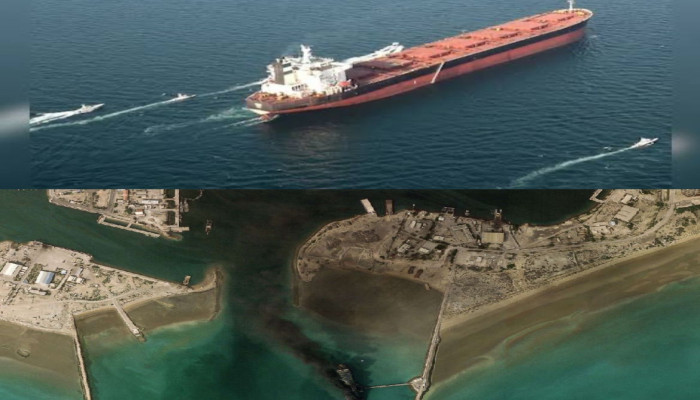
Iran’s Islamic Revolutionary Guards have said the Strait of Hormuz is closed and warned that it will attack any ship that tries to go through the narrow waterway. This strong statement came after earlier warnings and could affect about one-fifth of the global oil supply that normally passes through this crucial route.
A senior official from Iran’s Revolutionary Guards told state media on Monday that the strait is now closed. The official said, “The strait (of Hormuz) is closed. If anyone tries to pass, the heroes of the Revolutionary Guards and the regular navy will set those ships ablaze,” Iranian news agencies reported.
The Strait of Hormuz is a key global shipping route that links big oil-producing Gulf countries — like Saudi Arabia, Iran, Iraq and the United Arab Emirates — with the Gulf of Oman and the Arabian Sea. Nearly 20% of the world’s daily oil consumption flows through this narrow passage.
Iran’s announcement makes good on its long-held threat that it would close the strait in retaliation for attacks on its territory. This warning came after U.S. and Israeli military strikes on Iran on February 28, which Tehran said were meant to topple its leaders.
In response to those air and missile strikes, Tehran fired missiles at several neighbouring Gulf countries that host U.S. military bases. These included Qatar, Kuwait and Bahrain. It also fired missiles at the United Arab Emirates, Saudi Arabia and Oman.
Iran’s threats to block the Strait of Hormuz have been more explicit now than at any time before. A major part of the world’s oil traffic could be disrupted by the closure of this waterway, which could push up crude oil prices sharply.
Oil markets had already been affected before this latest warning, because of drone and missile attacks by Yemen’s Iran-aligned Houthis militants on vessels in the Red Sea and the Gulf of Aden since the Gaza war began in 2023.
The Iranian official’s comments came through state media, which often reflects the government's position. His words were clear that Iranian naval forces and Revolutionary Guards units would take direct action against vessels that attempt to enter the strait after the closure.
If the strait remains closed and ships do not move through it safely, this could have major effects on global energy markets because so much crude oil and liquefied natural gas move by sea from Gulf suppliers.
On previous days, shipping companies and tankers had already shown caution, with some vessels stopping or turning back because of the danger posed by the conflict in the region.
The United States and Israel have not backed down from their stance against Iran’s missile and nuclear programs. The U.S. government under President Donald Trump has said it would help Iranians interested in removing the ruling clerics, which was part of the reason tensions escalated.
In the meantime, global traders, oil companies and nations that depend on Gulf oil supplies are watching developments closely, because further disruption to shipping in the Strait of Hormuz could have wide-ranging economic consequences.



 Loading...please wait
Comments