




Iran-backed Houthis renew clashes with Yemeni government forces
- In Reports
- 06:46 PM, Aug 13, 2026
- Myind Staff
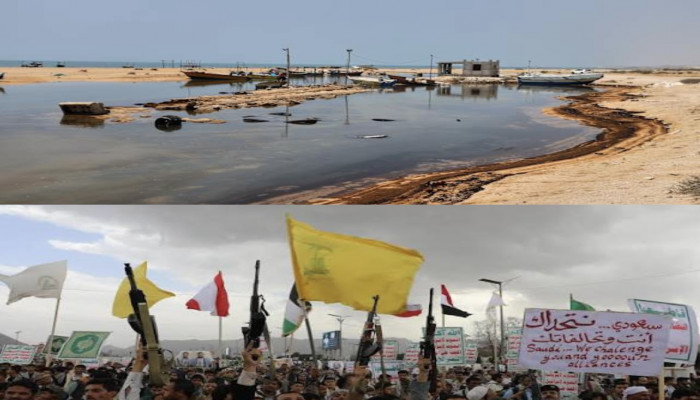
Clashes between Iran-backed Houthi rebels and Yemeni government forces continued overnight Thursday, raising fresh concerns that Yemen’s long-running civil war could intensify. The renewed violence comes as conflict spreads across the Middle East and could create another dangerous front in the region.
At least one Yemeni government soldier was killed and another was critically wounded during clashes with Houthi fighters in the mountainous province of Taiz, according to Yemeni military officials who spoke to The Associated Press. The fighting was part of a series of recent Houthi attacks on government-held areas. The Yemeni military said dozens of government troops have been killed in attacks since last week.
In the central province of Marib, several tribal leaders said Yemeni army artillery targeted Houthi movements overnight. The latest fighting shows the growing pressure on areas controlled by the Yemeni government as the Houthis continue their attacks.
The Houthis have carried out drone and missile strikes on government-held areas. They say their attacks target military forces and weapons warehouses. The group has also attacked oil facilities in neighbouring Saudi Arabia, which supports Yemen’s government. Houthi attacks have also targeted Saudi shipping in the Red Sea.
On Tuesday, the Houthis struck a commercial ship in the Bab el-Mandeb strait. The attack killed six people. Three of those killed were Pakistani nationals. Indonesia’s Foreign Ministry said Thursday that one Indonesian citizen remained missing after the attack, while two others were wounded.
The Bab el-Mandeb has gained greater importance as the Strait of Hormuz remains effectively closed due to the conflict involving Iran. The narrow waterway at Yemen’s southern tip provides an alternative route for Saudi Arabia to transport oil. Any further disruption in the area could add pressure to already strained regional shipping routes.
Meanwhile, the conflict has also raised environmental concerns in the Strait of Hormuz. Iran has started efforts to clean up an oil spill near Qeshm Island, located off the Iranian mainland. The spill has highlighted the environmental risks linked to the ongoing conflict between Iran, the United States and Israel.
Iranian Foreign Ministry spokesperson Esmail Baghaei said Iran should receive compensation for its efforts to control the spill. Writing on X, he said anyone who “benefits from commercial shipping through the Strait of Hormuz is obligated, both legally and morally, to take action to compensate for — and remedy — the environmental damage.”
Images released by Iran’s semi-official news agency ISNA showed oil damage along beaches on Qeshm Island. Iran has not said what caused the spill. TankerTrackers.com, however, posted satellite images on X and said the spill appears to have followed an Iranian attack on a bulk carrier off Oman. The company said the oil later drifted across the Strait of Hormuz toward Iran.
Baghaei also questioned who should pay for the environmental damage. He wrote, “The countries that benefit from the cheap energy exported from our region? The shipping insurance companies?” He also asked, “Or the aggressors and their partners who have turned the Persian Gulf and the Sea of Oman into an arena for military operations and testing of highly destructive weapons?”
Another oil spill is also affecting Oman, though it is separate from the Strait of Hormuz incident. Oman is responding to a spill in the Arabian Sea caused by a tanker that ran aground off its southern coast. No group or country has claimed responsibility, and authorities have not revealed the cause of a reported explosion.
Environmental experts said oil from the partially submerged tanker has spread quickly in recent weeks near the shores of Qabiliyah Island. The spill threatens a nearby marine protected area, adding to environmental concerns already linked to the wider regional conflict and growing instability around key shipping routes.



 Loading...please wait
Comments