



Iran assures India of safe passage as ships remain stranded in Strait of Hormuz
- In Reports
- 01:45 PM, Apr 03, 2026
- Myind Staff
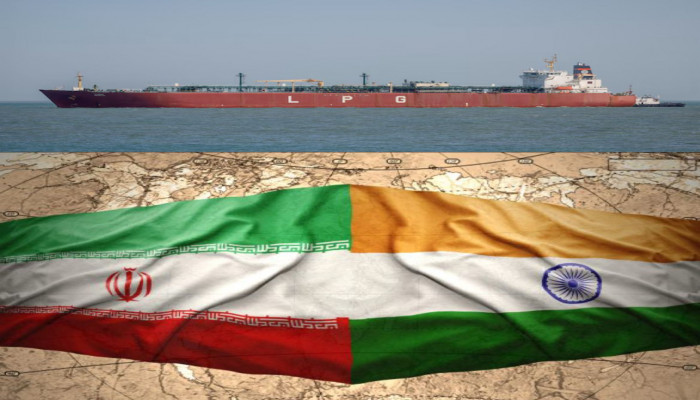
The Iranian government has reassured India of the safety of its ships and maritime operations in the Strait of Hormuz. This comes at a time when tensions in the region remain high due to ongoing conflict. The Embassy of Iran in India addressed concerns through a social media statement, saying that their "Indian friends" are safe and do not need to worry about the current naval restrictions in the area.
The Strait of Hormuz is one of the most important routes for global trade, especially for energy supplies. Nearly 20 per cent of the world’s oil and gas passes through this narrow waterway. Since the start of hostilities with Israel and the United States on 28 February, Iran has taken control of the passage and imposed strict regulations on ship movement. While most international vessels have been stopped, Iran has allowed limited access to ships from certain “friendly nations.” These include India, China, Russia, Iraq, and Pakistan.
Despite these assurances, the situation has affected global and regional energy supply chains. The blockade has caused major disruptions, leaving hundreds of ships stuck in the region. Reports suggest that around 500 vessels were caught in the initial congestion after the conflict began. This has created a serious logistical challenge and increased uncertainty for countries dependent on these routes.
There has been some progress in easing the situation. At least eight Indian ships have managed to pass through the strait and continue their journey. Among them were two large LPG carriers, the BW TYR and the BW ELM. These ships were carrying a combined total of 94,000 tonnes of liquefied petroleum gas. Their successful exit is seen as a positive sign, but many other vessels are still unable to move.
Data from the Ministry of Ports, Shipping, and Waterways shows that 19 ships heading towards India are still waiting for clearance. These vessels are transporting important energy resources such as LPG, crude oil, and liquefied natural gas. The delay in their movement continues to raise concerns about supply stability.
The backlog includes ten ships that are registered under foreign flags and nine that are Indian-flagged. Some of these ships are still in the process of loading cargo, even as tensions remain high in the region. This adds another layer of complexity to the situation, as both safety and logistics need to be managed carefully.
Indian authorities are closely monitoring the developments. An inter-ministerial meeting was held on 30 March to review the situation and understand its impact. Policymakers are assessing both the immediate and long-term effects on the country’s energy security. While Iran’s diplomatic message offers reassurance, the presence of nearly twenty stranded ships highlights the risks involved.
The situation shows how vulnerable supply chains can become during geopolitical conflicts. Even with friendly relations and assurances, physical barriers and military tensions can slow down essential trade. India’s reliance on energy imports makes such disruptions particularly significant.
Overall, while some movement has resumed and Iran has expressed support, the crisis in the Strait of Hormuz is far from over. The combination of diplomatic communication and ground realities continues to shape the outcome. For now, India remains cautious, balancing trust in assurances with the need to secure its energy supplies.



 Loading...please wait
Comments