




International Labour Organisation adopts world’s first gig economy treaty
- In Reports
- 08:14 PM, Jun 12, 2026
- Myind Staff
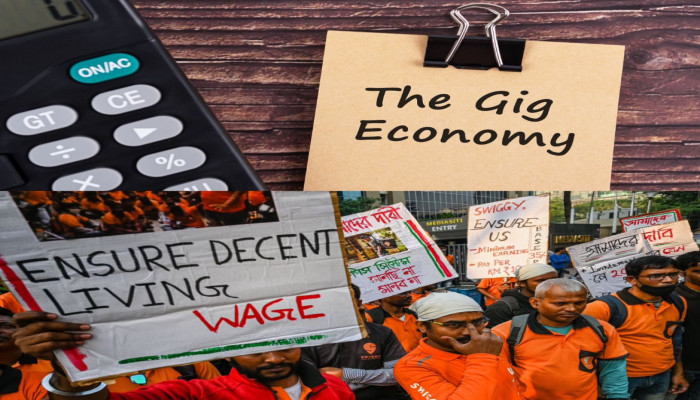
In a major step for workers in the digital economy, the United Nations' International Labour Organisation (ILO) has adopted the world's first international agreement to protect people working through digital platforms. The agreement was approved on Friday and is designed to extend labour rights and protections to hundreds of millions of gig workers across the world.
The new convention focuses on workers who earn their livelihoods through digital platforms. These include food delivery personnel, ride-hailing drivers, and others who receive work through mobile applications and online platforms. The agreement seeks to address long-standing concerns about the lack of labour protections available to these workers.
According to the text adopted by ILO members, the convention applies to all platform workers, regardless of their employment status. This is a significant development because many gig workers are currently classified as independent contractors rather than employees. As a result, they often remain outside the scope of labour laws that protect traditional workers.
The rapid growth of digital platforms has transformed the nature of work across the globe. However, labour regulations have struggled to keep pace with these changes. Millions of workers have entered the gig economy over the past decade, while legal and policy frameworks have often failed to provide them with adequate safeguards.
A 2023 estimate by the World Bank found that there were as many as 435 million online gig workers worldwide. Many of these workers have largely operated without access to regular labour protections. The absence of clear regulations has raised concerns about wages, working conditions, social security benefits and job security.
Digital labour platforms typically manage work through algorithms. These systems assign tasks, determine pay rates, evaluate worker performance and, in some cases, can even remove workers from the platform. Despite exercising substantial control over how work is carried out, many platform companies continue to classify workers as independent contractors.
This classification has allowed companies, in many cases, to avoid responsibilities that are generally associated with formal employment. As a result, workers may not receive minimum wage protections, workplace safety guarantees or access to social security benefits. Labour rights advocates have argued that this has left many gig workers vulnerable despite their important role in the modern economy.
The adoption of the convention has been welcomed by labour rights organisations and advocates. Human Rights Watch's senior economic justice adviser Lena Simet, who closely followed the negotiations, described the agreement as a historic achievement for workers.
The convention marks "a turning point for platform workers worldwide," said Human Rights Watch's senior economic justice adviser Lena Simet, who followed the negotiations.
It would establish "the first global standard to protect their rights and hold digital labour platforms accountable", she said.
Supporters of the agreement believe it will help create a stronger framework for ensuring fair treatment of platform workers. The convention is expected to provide governments with a common international standard when developing laws and policies related to the gig economy.
The agreement was formally adopted during the 114th annual International Labour Conference held in Geneva. Representatives from governments, employers and workers participated in the discussions that led to the adoption of the convention.
The final approval came after delegates voted on the text during the conference proceedings. Conference president Juan Castillo announced the decision by saying, "Delegates, can I then consider that the conference adopts the convention in its entirety? Adopted," bringing down the gavel.
The ILO holds a unique position within the United Nations system. Its 187 member states are represented equally by governments, employers and workers. This tripartite structure allows different stakeholders to participate directly in shaping international labour standards.
The adoption of the convention marks a significant milestone in global labour governance. As digital platform work continues to expand across countries and industries, the new agreement aims to ensure that workers receive stronger protections and that digital labour platforms are held to internationally recognised standards of accountability.



 Loading...please wait
Comments