



Indonesia’s Rupiah slides to 16,945 as nepotism concerns grow over Central Bank nomination
- In Reports
- 07:05 PM, Jan 21, 2026
- Myind Staff
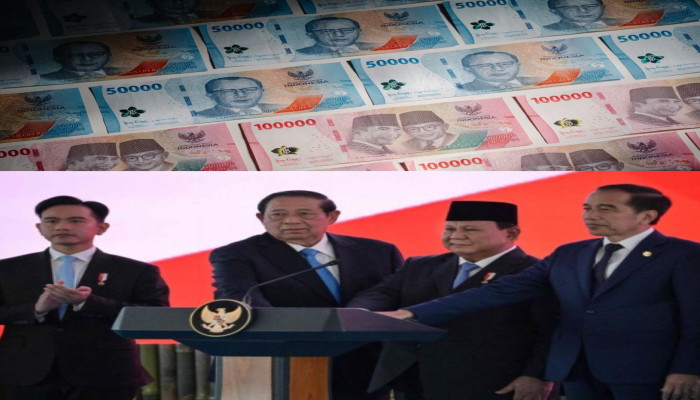
Indonesia’s currency, the rupiah, weakened sharply this week after President Prabowo Subianto nominated his nephew, Thomas Djiwandono, as a deputy governor at Bank Indonesia (BI). The move triggered renewed concerns among investors about the independence of the country’s central bank, especially at a time when Indonesia is facing rising fiscal pressure and slowing economic growth.
The rupiah fell to around 16,945 against the US dollar, a level close to those seen during the 1998 Asian financial crisis. It is also near the record low touched in April last year. Even before this latest development, the currency had already been under strain due to worries over Indonesia’s widening fiscal risks and weaker growth momentum.
Market nervousness intensified after the government nominated Djiwandono, currently serving as deputy finance minister, to fill a vacant post at the central bank. Analysts said investors reacted negatively to the appointment over fears of stronger political influence on the Bank’s monetary policy.
Many investors worry that the nomination could reduce the Bank’s independence and make it more likely to support President Prabowo’s ambitious economic agenda. Prabowo, a former military general who took office last year, has repeatedly promised to increase Indonesia’s economic growth rate to 8 per cent, from the current rate of around 5 per cent.
Analysts believe that a high growth target would require looser fiscal and monetary policies. The appointment would mark a clear shift away from the strict economic discipline that Indonesia adopted after the 1998 Asian financial crisis, when the country was hit hard by currency collapse and financial instability.
“If Thomas is elected one of the governors, I think there will be more concern over the independence of the central bank,” said Rully Arya Wisnubroto, chief economist and head of research at Mirae Asset Sekuritas Indonesia, in comments to the Financial Times. His statement reflects broader market concerns that the government may try to influence Bank Indonesia’s decisions more directly.
The weakening of the rupiah following the nomination has added to pressure on policymakers, prompting the government to respond quickly in an effort to calm markets. Finance Minister Purbaya Yudhi Sadewa rejected the idea that Djiwandono’s nomination would threaten the autonomy of the central bank.
“It has no connection to independence,” Purbaya said. “Unless, when making decisions, there is direct government intervention. So far, there hasn’t been any. So BI is independent.”
Purbaya also addressed questions about whether Djiwandono would continue to be part of the government if his appointment is confirmed. “As soon as he joins BI, he should be independent, not a government element,” he said, underlining the administration’s claim that the central bank will remain free from political pressure.
After the rupiah’s fall, Purbaya further stressed that the government would continue to protect the central bank’s role. He said the administration would “maintain the independence of the central bank to the maximum extent possible”.
State Secretary Prasetyo Hadi said that Djiwandono is only one of several candidates who have been nominated for the vacant position at Bank Indonesia. The final decision will be made by the parliament’s lower house, which will select the candidate for the role. However, President Prabowo’s ruling coalition holds a strong majority in the legislature, making it easier for government-backed nominees to secure approval.
In a separate statement, Bank Indonesia said it remained focused on its core responsibilities. The central bank said it was committed to “maintaining rupiah stability, ensuring a smooth payment system and safeguarding financial system stability to support sustainable growth”.
Over the past year, Bank Indonesia has stepped into currency markets repeatedly to slow the rupiah’s decline. These interventions were aimed at preventing sharp volatility and protecting financial stability. Despite these efforts, economists have warned that if the central bank is pushed towards a more pro-growth approach, it may allow the currency to remain weaker for a longer period.
Such concerns have made investors cautious, especially given Indonesia’s history with currency crises and the importance of central bank independence in maintaining confidence. The latest developments have once again highlighted how sensitive markets are to any signs of political interference in monetary policy, particularly at a time when global financial conditions remain uncertain.



 Loading...please wait
Comments