




India’s Tango Charlie UAV strengthens high-altitude surveillance at LAC
- In Reports
- 07:54 PM, Mar 26, 2026
- Myind Staff
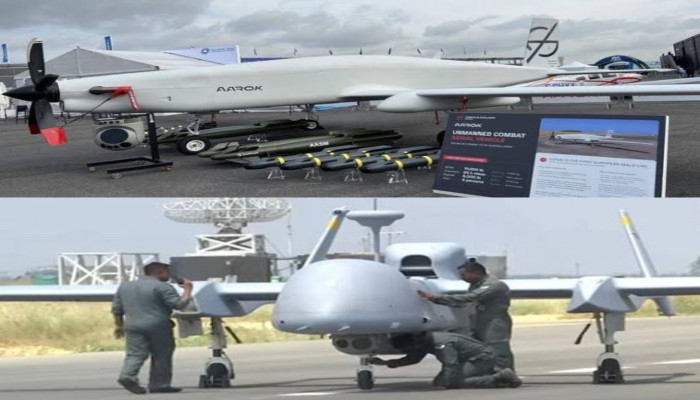
India has taken a major step towards strengthening its defence capabilities with the development of the Tango Charlie UAV, officially known as the X-61 ISR unmanned aerial vehicle. This advanced drone marks an important milestone in the country’s push for self-reliance in military technology. Built through a collaboration between Cingularity Aerospace and the Indian Space Research Organisation (ISRO), the UAV is designed specifically to meet the demanding conditions of the Indian subcontinent, especially in high-altitude border regions.
The partnership combines the strengths of both organisations. Cingularity Aerospace brings expertise in aerodynamic design, while ISRO contributes its advanced satellite communication systems. Together, they have created a drone capable of operating effectively in the harsh environment of the Himalayas. These conditions include thin air, extreme cold, and unpredictable weather patterns, all of which pose serious challenges to conventional aircraft.
The Tango Charlie UAV has been designed with a clear focus on border surveillance, particularly along the Line of Actual Control (LAC). This region includes some of the most difficult terrains in the world, such as the high-altitude areas of Ladakh. Traditional ground patrols and manned aircraft often struggle in these conditions. The UAV provides a reliable alternative by acting as a constant aerial observer, helping the Indian Army monitor movements and activities in real time.
One of the most notable features of the Tango Charlie is its high operational ceiling of 22,000 feet. This allows it to function effectively in mountainous areas where oxygen levels are low and weather conditions can change rapidly. To support such performance, the UAV is equipped with flexible engine configurations, including turboprop and turbine systems. These engines are designed to ensure stable performance even in freezing temperatures and low-oxygen environments.
Endurance is another key strength of this platform. The UAV can remain airborne for up to 20 hours continuously, making it suitable for long-duration surveillance missions. Its operational range of up to 1,000 kilometres further enhances its effectiveness. This means it can cover large areas without needing frequent refuelling or multiple deployment points. Such capability is crucial for maintaining continuous monitoring of sensitive border regions.
A defining aspect of the Tango Charlie is its modular design. Unlike older drones with fixed systems, this UAV can be quickly reconfigured for different types of missions. It can be used not only for surveillance but also for logistics support and intelligence gathering. This flexibility allows the drone to adapt to changing operational needs, making it a valuable multi-role asset for the armed forces.
The UAV is primarily built for RISTA operations- Reconnaissance, Intelligence, Surveillance, and Target Acquisition. It is equipped with advanced optical sensors and electronic intelligence systems. These technologies enable it to detect, identify, and track potential threats with a high level of accuracy. The information collected is transmitted securely to command centres, allowing military officials to make quick and informed decisions during critical situations.
In 2025, the program reached an important milestone with the successful completion of Autonomous Take-Off and Landing (ATOL) trials. This achievement is especially significant for operations in mountainous regions. Manual take-off and landing can be risky in such areas due to strong winds and limited visibility. The success of ATOL demonstrates that the UAV can operate safely and efficiently even in these challenging conditions, bringing it closer to full deployment.
The development of the Tango Charlie UAV also reflects the broader goals of the Make in India initiative. By building such advanced systems domestically, India is reducing its dependence on foreign defence imports. At the same time, it is encouraging growth in the local aerospace sector. The collaboration between private companies and national institutions like ISRO highlights a new model of innovation in the country’s defence industry.
Overall, the Tango Charlie UAV represents a significant advancement in India’s military technology. Its ability to operate in extreme environments, combined with its long endurance and flexible design, makes it a powerful tool for border security. As it moves closer to operational deployment, it is expected to play a key role in enhancing surveillance and strengthening India’s strategic position along its most sensitive frontiers.



 Loading...please wait
Comments