




India’s Russia-Ukraine truce plan calls for ending attacks on energy sites, free grain movement
- In Reports
- 08:09 PM, Oct 07, 2026
- Myind Staff
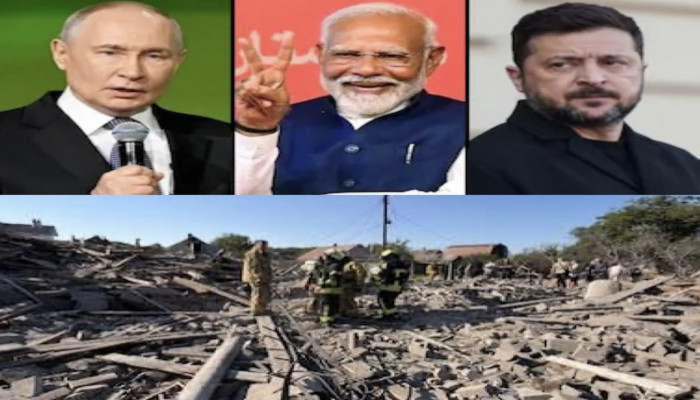
India has proposed a three-part truce framework for Russia and Ukraine to stop attacks on energy and critical infrastructure, keep grain and energy supplies moving through Black Sea ports, and protect commercial shipping in the region.
External Affairs Minister S Jaishankar conveyed the proposal to Ukrainian leaders during his September 3 visit to Kyiv. It was his first standalone visit to Ukraine as India’s foreign minister. The plan brings several immediate concerns about the conflict under one framework.
The first proposal calls for an end to attacks on energy facilities and other critical infrastructure. India wants to prevent further damage to installations vital for civilian life and economic activity. The move could also create space for broader de-escalation.
The second seeks to ensure the continued movement of grain and energy through Black Sea ports. Fighting and attacks in the region have disrupted commodity flows and raised concerns over food and energy supplies.
The third element calls for an end to attacks on commercial vessels operating in the Black Sea. India has proposed wider protection for commercial shipping rather than limiting the arrangement to grain vessels.
Ukrainian Foreign Minister Andrii Sybiha said on October 2 that Kyiv had received ceasefire proposals from India, Egypt, Turkey and the United States. He described India’s proposal as the "most comprehensive" among those received. Sybiha said Ukraine was ready to consider different truce formats, including a broader ceasefire. He added that any agreement must address combat operations, attacks on energy and port infrastructure, and the situation in the Black Sea.
India’s approach differs from other proposals. Egypt and Turkey have mainly focused on maintaining grain shipments from the Black Sea and preventing attacks on commercial shipping. The US proposal has centred on an "energy ceasefire" to stop attacks on energy infrastructure. India has combined these concerns while also seeking protection for commercial vessels and continued grain and energy flows.
New Delhi also has direct economic and strategic interests in keeping Black Sea trade routes open. Recent attacks on merchant vessels have disrupted grain and energy movement. Indian seafarers have also been affected. People familiar with the matter said five Indian seafarers have been killed in Russian and Ukrainian attacks on merchant ships in recent weeks.
Black Sea ports are important for Russian energy supplies to India. Disruptions around ports such as Novorossiysk have affected crude shipments and pushed up freight costs, according to reports cited in the sources.
Jaishankar has said India has moved beyond simply advocating an end to the conflict and is now holding practical discussions with both Moscow and Kyiv. He said talks with Ukraine included attacks on commercial shipping affecting Indian seafarers and the impact of fuel, food and fertiliser shortages on the Global South.
"Understandably, it is for the parties involved to find a way. But if India can be of any help in any manner, we are ready," Jaishankar said, adding that this was the core of his discussion with Sybiha.
India continues to call for dialogue and diplomacy while maintaining its longstanding ties with Russia. Russian President Vladimir Putin has also backed Modi’s peace efforts, saying Modi "has excellent ideas aimed at finding mutually acceptable...solutions" to end the war.
Ukraine’s response marks a step forward for India’s diplomatic engagement with both sides. However, Russia’s formal response to the three-part proposal isn’t clear. Any truce would depend on Moscow and Kyiv agreeing to its terms and implementation mechanisms.



 Loading...please wait
Comments