



India’s big ₹18 billion boost for Mission Drone Shakti
- In Reports
- 07:03 PM, Mar 18, 2026
- Myind Staff
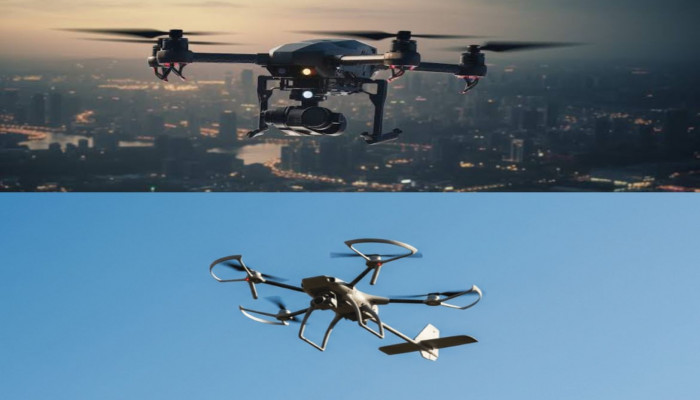
India is preparing to take a significant step toward building a self-reliant drone industry with a proposed incentive package worth ₹16–18 billion. The initiative, likely to be called Mission Drone Shakti, is being developed by the Civil Aviation Ministry to strengthen local manufacturing and reduce the country’s reliance on imports, especially from China. The plan reflects a broader push by the government to promote domestic production and position India as a key player in advanced technology sectors.
The proposed scheme focuses on building a strong foundation for drone manufacturing in the country. It aims to support both innovation and production over a period of five years. A major part of the plan includes investment in research and development, which is expected to help Indian companies design and develop better drone technologies. At the same time, the initiative seeks to expand manufacturing capabilities within the country, to produce more components locally rather than sourcing them from abroad.
Another important aspect of Mission Drone Shakti is its effort to increase the use of drones across different industries. The government plans to introduce sales-based incentives that will encourage companies to adopt drone technology in sectors such as agriculture, logistics, surveillance, and infrastructure. This approach is expected to not only boost demand but also create a larger market for domestically manufactured drones.
The scheme is expected to be rolled out in the financial year 2026–27. Initially, it will target private Indian companies that are involved in drone manufacturing or related technologies. Once the finer details of the proposal are finalised, it will be sent to the Finance Ministry for approval. After that, it will move to the Cabinet for the final nod before implementation. This step-by-step approval process indicates that the government is taking a structured approach to ensure the scheme is both effective and sustainable.
Mission Drone Shakti draws inspiration from India’s existing Production-Linked Incentive (PLI) schemes. These schemes already cover 14 sectors, including electronics, textiles, automobiles, and pharmaceuticals, with a total outlay of ₹1.97 trillion. The PLI model links financial incentives to measurable outcomes such as increased domestic production and higher sales. By following a similar framework, the drone initiative aims to ensure that companies deliver tangible results in return for government support.
Out of the total proposed allocation, around ₹5–6 billion is expected to be dedicated to research and development. This funding will play a key role in improving technology, encouraging innovation, and helping Indian firms compete globally. The remaining ₹10–12 billion will be used to support the manufacturing of essential drone components. These include parts such as propellers, motors, and airframes, which are critical for building drones. The scheme will also include incentives tied to sales, further encouraging companies to scale up production and reach wider markets.
A key feature of the plan is its focus on domestic value addition. Companies will receive incentives based on the percentage of the production process carried out within India. A minimum threshold for local value addition is likely to be set, ensuring that only those firms that genuinely contribute to domestic manufacturing benefit from the scheme. This approach is designed to strengthen the local supply chain and reduce dependency on foreign components over time.
Overall, the initiative is expected to have a wide-ranging impact on the Indian economy. It has the potential to drive innovation, create employment opportunities, and build a competitive manufacturing ecosystem for drones. By encouraging local production and reducing imports, the scheme also supports the government’s broader Make in India mission. If implemented effectively, Mission Drone Shakti could help India emerge as a global hub for drone technology while ensuring long-term self-reliance in this rapidly growing sector.



 Loading...please wait
Comments