



Indian refiners adopt a cautious approach to US-approved Iranian barrels
- In Reports
- 07:07 PM, Mar 24, 2026
- Myind Staff
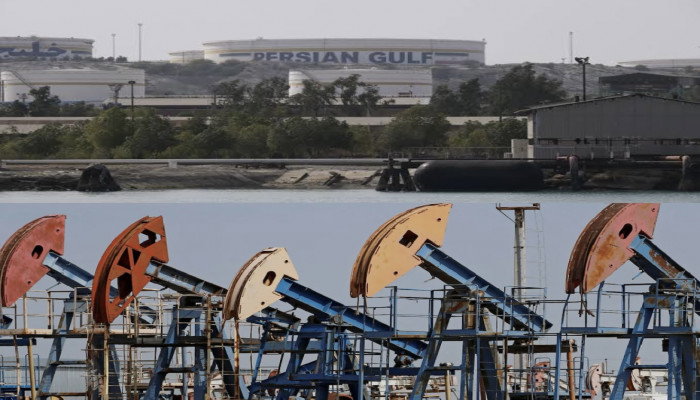
India’s oil refiners are showing caution in purchasing Iranian crude, even after the United States allowed limited access to such supplies amid the ongoing war involving Iran. Despite the temporary easing of sanctions, Indian buyers are holding back due to several practical challenges related to payments, shipping, and insurance, which continue to complicate the process of importing Iranian oil.
The US government recently issued another waiver permitting the purchase of Iranian oil that is already loaded on ships at sea. This move is part of a broader attempt to increase global supply and reduce rising oil prices during the conflict. However, even with this opportunity, India’s state-run refiners are not rushing into deals. Industry sources indicate that companies are still evaluating the risks involved before making any commitments.
One of the main concerns for Indian refiners is the lack of clarity around financial transactions. Payment systems for Iranian oil remain uncertain due to existing restrictions and the possibility of sanctions returning. Along with this, issues related to shipping logistics and securing insurance for cargo have made the process more complex. These factors have created hesitation among buyers who do not want to take risks without clear guidelines.
The situation is further complicated by the short duration of the US waiver. The permission to buy Iranian oil is limited to a one-month window, which many refiners believe is too brief to complete transactions smoothly. Oil trade involves multiple steps, including negotiation, shipping arrangements, and delivery timelines, all of which require more time. Due to this limited timeframe, companies are reluctant to enter into deals that may not be completed within the allowed period.
Representatives from the National Iranian Oil Company and intermediaries have reached out to major Asian buyers, including those in India, hoping to secure deals. However, their efforts have been met with a cautious response. Indian refiners are not alone in their approach, as similar concerns have been raised in other countries as well.
In China, for example, major state-owned refiner China Petroleum & Chemical Corp has also indicated that it would prefer to avoid Iranian shipments. One of the reasons cited is the same issue faced by Indian buyers—the short time frame of the waiver, which makes it difficult to plan and execute purchases efficiently.
This cautious stance stands in contrast to how Indian refiners responded to similar waivers for Russian oil earlier. At that time, companies quickly increased their purchases, taking advantage of discounted prices and clearer trade arrangements. However, in the case of Iranian oil, the uncertainty surrounding logistics and compliance has made refiners more careful.
Another key factor influencing this hesitation is the lack of clear direction from the Indian government. Unlike previous situations where refiners had guidance on how to proceed, there is currently no strong policy signal encouraging or supporting the purchase of Iranian oil. As a result, companies are choosing to wait for more clarity before making decisions.
The broader backdrop to this situation is the ongoing conflict in the region, which has disrupted energy markets and increased volatility. While the US waiver is intended to ease supply pressures, the uncertainty created by the war continues to affect trade decisions. Indian refiners, who are among the largest buyers of crude oil globally, are carefully balancing the need for supply with the risks involved in such transactions.
Overall, while the availability of US-approved Iranian oil could have offered an opportunity to meet immediate demand, practical challenges and policy uncertainties have limited its appeal in India. Refiners are choosing to stay cautious, prioritising stability and clarity over quick deals. Their approach reflects the broader uncertainty in global energy markets, where geopolitical tensions continue to shape decisions and strategies.



 Loading...please wait
Comments