




Indian Army unveils AASHVAST Labs to detect foreign components in electronic systems
- In Reports
- 06:41 PM, Sep 07, 2026
- Myind Staff
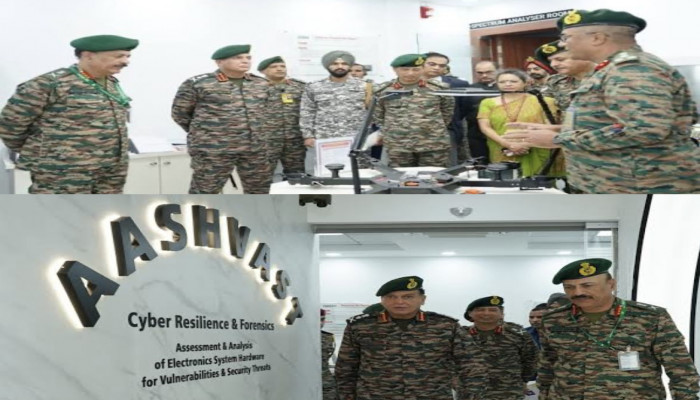
The Indian Army has introduced a new system to check military drones and other electronic defence equipment for hidden security risks. The initiative focuses on hardware, software and firmware that may contain vulnerabilities linked to foreign components or unauthorised technology. The Army has set up special AASHVAST labs in Delhi to examine critical military electronics and identify risks that may not be visible during regular inspections.
AASHVAST stands for Assessment and Analysis of Electronic Systems Hardware for Vulnerabilities and Security Threats. The system is designed to assess and validate critical military electronic equipment. It examines both hardware and software to detect hidden security concerns that could affect the safety or functioning of a defence platform.
The labs can scan electronic systems for hidden passwords, embedded keys and remote-access tools. They can also check whether a device is receiving software updates that have been approved by its original manufacturer. These checks can help the Army identify unauthorised changes or features that may create a security risk.
The system will be particularly important for military drones. A drone may appear genuine during a physical inspection, with its airframe, weight and other visible features matching the manufacturer's specifications. However, the software and firmware inside the drone can influence how the platform operates.
Firmware controls several key functions of a drone. It determines how the drone flies, responds to commands and performs under different conditions. Such elements are difficult to assess through conventional physical checks. AASHVAST is designed to examine these hidden layers and detect possible vulnerabilities.
The Army is also focusing on the possible use of Chinese components and software in sensitive defence equipment. AASHVAST labs can help determine whether a drone contains components or software that were not approved as part of its original design. The system can also identify whether a platform has been modified after its production or deployment.
Even a small hidden component or software vulnerability can pose a security risk to a military platform. This makes detailed checks important for equipment that handles sensitive operations. The AASHVAST system aims to provide the Army with a deeper assessment of electronic systems before they are used in critical roles.
The labs will also examine security controls related to location and navigation. Military drones can face threats such as GPS spoofing and jamming. In a spoofing attack, an attacker can provide false location information to a system. This can interfere with navigation and affect the drone's operations. AASHVAST can assess whether the location-security controls of a drone are strong enough to deal with such threats.
Army Chief General Dhiraj Seth inaugurated the AASHVAST facility in Delhi on August 14. The Army said the initiative would help evaluate critical defence platforms, strengthen cybersecurity, improve operational preparedness and support the development of India’s domestic defence ecosystem.
Modern military equipment relies heavily on electronics, software and communication systems. As a result, security threats can exist beyond visible physical components. A platform may pass a basic physical inspection and still contain software or electronic weaknesses that can affect its performance, control or security.
The AASHVAST labs aim to address this gap through a detailed examination of both hardware and software. The initiative forms part of the Indian Army's wider effort to make critical defence systems more secure and reliable. It also seeks to reduce the risks linked to hidden foreign technology and unauthorised modifications in sensitive military equipment.



 Loading...please wait
Comments