




India urges immediate de-escalation after fresh military escalation in West Asia
- In Reports
- 03:06 PM, Jul 09, 2026
- Myind Staff
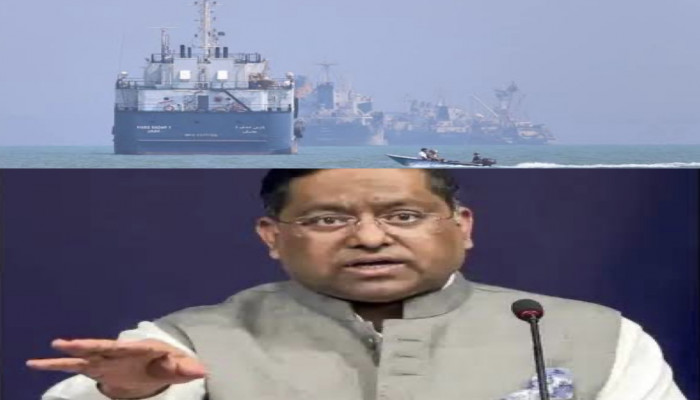
India has expressed deep concern over the latest rise in tensions in West Asia after fresh military actions disrupted the region and raised fears over peace and stability. The Ministry of External Affairs (MEA) called on all sides to avoid further escalation and return to diplomatic efforts. The appeal came after a series of attacks on commercial shipping in the Strait of Hormuz and military exchanges involving Iran, the United States, Kuwait and Bahrain.
The latest developments unfolded after three oil tankers came under attack in the Strait of Hormuz, one of the world's most important shipping routes for global energy supplies. Reports said Iran carried out the strikes. In response, the United States launched attacks on several Iranian military installations. Iran later fired missiles at Kuwait and Bahrain, further increasing tensions across the region and raising concerns about a wider conflict.
Reacting to the situation, the Ministry of External Affairs issued a statement expressing India's concern over the growing instability. The ministry said the attacks on commercial vessels and the military actions could have serious consequences for regional peace and global trade.
"India is deeply concerned over the recent attacks and escalation of tensions in West Asia, which have followed fresh targeting of commercial shipping transiting international waterways in the region," the Ministry of External Affairs (MEA) said.
The ministry warned that the ongoing conflict could threaten peace, security and stability across West Asia. It also stressed the need to protect civilians and maintain the uninterrupted movement of energy supplies and commercial trade through international waterways.
"India calls upon all parties to exercise restraint, de-escalate tensions, and ensure protection of civilians as well as the uninterrupted flow of energy supplies and commerce," the MEA said.
India also urged all countries involved in the conflict to resolve their differences through peaceful discussions instead of military action. The government repeated its support for dialogue as the best way to reduce tensions and prevent further violence in the region.
"We urge the parties to return to dialogue and diplomacy to achieve a peaceful and lasting solution to the conflict," it added in a statement.
Meanwhile, US President Donald Trump signalled that the situation could worsen. On Wednesday, he said the ceasefire was "over" following the Iranian attacks. He also stated that the United States was preparing for another round of military strikes, raising fresh concerns that the conflict could intensify in the coming days.
Trump also renewed his warning to target Iran's civilian infrastructure. He threatened to strike electric plants and desalination plants if tensions continued to rise. He further warned that the United States could seize Kharg Island, Iran's major oil-production hub. His remarks added to fears of a prolonged conflict that could affect the wider region and disrupt global energy markets.
The latest military exchanges sparked international attention as the Strait of Hormuz remains a vital route for global oil shipments. Any disruption in the area has the potential to affect energy supplies, trade and regional stability. India has once again called for restraint and peaceful dialogue while emphasising the importance of protecting civilians and ensuring that commercial shipping continues without interruption.



 Loading...please wait
Comments