




India turns to Latin America and Africa after Hormuz blockade disrupts oil supply
- In Reports
- 06:14 PM, May 25, 2026
- Myind Staff
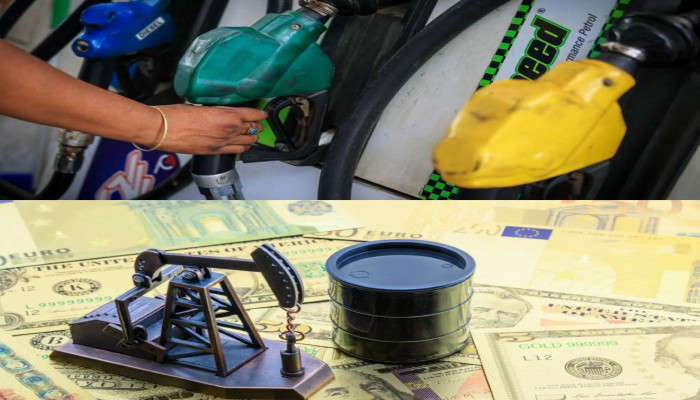
India has increased crude oil imports from Latin America and Africa after disruptions in the Strait of Hormuz affected supplies from the Middle East during the ongoing Israeli-U.S. conflict with Iran. The disruption in one of the world’s busiest oil shipping routes forced Indian refiners to quickly look for alternative suppliers to maintain stable fuel supplies.
Before the conflict began at the end of February, India depended heavily on the Middle East for crude oil imports because of its geographical proximity and lower transportation costs. However, shipping restrictions in the Strait of Hormuz affected the smooth movement of oil cargoes from Gulf countries. As a result, Indian refiners increased purchases from countries such as Venezuela, Brazil, Angola and Nigeria during April and May. India also continued importing Russian crude during this period.
According to preliminary data from Kpler and trade sources, India also resumed imports of Iranian oil after a gap of seven years. The supplies restarted after Washington granted a temporary waiver aimed at stabilising global oil prices amid the crisis. At the same time, India completely avoided purchases from Iraq last month after Iraqi exports were halted due to the disruption in the region.
India’s imports from Russia dropped sharply in March by around 29.4% to nearly 1.6 million barrels per day. The fall was mainly linked to maintenance work at Nayara Energy’s 400,000-barrel-per-day refinery. However, Russian oil shipments to India are expected to recover in May, with imports estimated at around 1.9 million barrels per day. Iraq is also expected to resume limited exports to India in May, with shipments estimated at about 41,000 barrels per day.
Despite the supply disruptions, India’s total crude oil imports in April remained stable at around 4.57 million barrels per day, nearly unchanged from March levels. However, imports were still 15.5% lower compared to the same period last year.
Imports from the United Arab Emirates showed a strong recovery in April. Shipments increased to around 669,700 barrels per day from 230,600 barrels per day in March. Imports from Saudi Arabia remained almost steady at around 619,500 barrels per day.
The UAE and Saudi Arabia have managed to maintain exports more effectively because both countries have pipeline infrastructure that allows crude shipments to bypass the Strait of Hormuz. Other Gulf producers, including Kuwait, Iraq, Qatar and Bahrain, remain heavily dependent on the waterway for transporting oil exports.
The share of oil imports coming from the Organisation of the Petroleum Exporting Countries (OPEC) increased significantly in April. OPEC’s contribution to India’s crude imports rose to 45.2% from nearly 30% in March. The rise was mainly supported by higher imports from the UAE.
The report also noted that the UAE officially exited OPEC in May, a move that frees the country from the group’s oil production quotas. The increase in UAE supplies helped prevent a sharper decline in the Middle East’s overall share in India’s oil imports.
Meanwhile, the share of Russian oil in India’s total imports declined to around 35% from nearly 50% earlier. Even with the drop, Russia remained India’s biggest crude oil supplier. The UAE became the second-largest supplier, followed by Saudi Arabia.
Brazil emerged as India’s fourth-largest oil supplier during the period, while Venezuela ranked fifth. Kpler data showed Venezuela is likely to become India’s fourth-largest supplier in May as imports from the Latin American nation continue to rise.
The shift in India’s oil sourcing strategy highlights how global geopolitical tensions are reshaping energy trade routes and forcing countries to diversify supplies to protect domestic fuel availability and prices.



 Loading...please wait
Comments