




India to transfer Chabahar stakes to Iranian entity as deadline approaches
- In Reports
- 06:16 PM, Apr 24, 2026
- Myind Staff
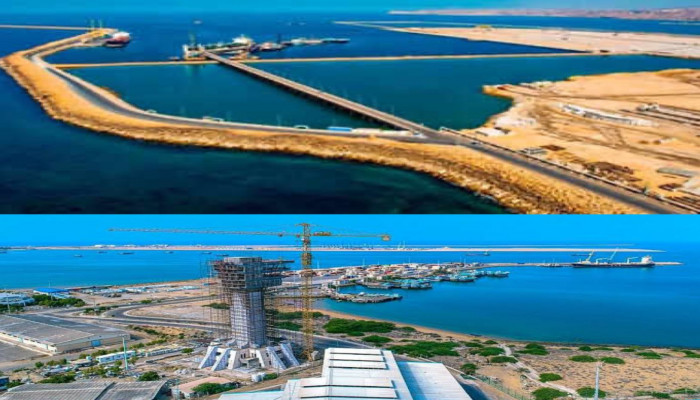
India is considering transferring its stake in the Chabahar Port project to an Iranian entity as the deadline for the current US sanctions waiver approaches. The waiver, which has allowed India to operate at the port without facing penalties, is set to expire this Sunday. In response to this uncertainty, New Delhi is working on a proposal to reduce its direct involvement in the project while still keeping the option open for future engagement.
According to the report, India Ports Global Ltd (IPGL) may sell its holding in India Ports Global Chabahar Free Zone (IPGCFZ) to a local Iranian entity. This move is being explored as a way to manage the risks associated with the possible return of US sanctions. The plan would allow operations at the port to continue under Iranian management if restrictions are imposed again. At the same time, there is an understanding that India could regain operational control once the sanctions are lifted in the future.
The government has also looked into a temporary arrangement where an Iranian operator would manage the port during the sanctions period. This would act as a safeguard to ensure that the port remains functional without exposing Indian entities to legal or financial risks. The idea reflects a cautious approach by India as it tries to balance its strategic interests with the realities of international sanctions.
Queries sent to the Ministries of External Affairs and Ports, Shipping and Waterways had not received any response at the time the report was published. This indicates that official confirmation on the matter is still awaited, even as internal discussions appear to be ongoing.
India’s involvement in the Chabahar Port project has been protected under US sanctions exemptions since November 2018. These exemptions were granted due to the port’s importance in facilitating humanitarian aid and trade with Afghanistan. However, the situation began to change earlier. In February 2025, the US administration asked the Secretary of State to review or withdraw waivers that provided Iran with any economic or financial relief, including those related to Chabahar. Later, the US State Department withdrew the original 2018 waiver on September 29 last year, raising concerns about the future of the project.
Despite this, a temporary relief was provided. The US Department of the Treasury issued a letter on October 28, 2025, stating that activities at Chabahar Port would remain protected from sanctions until April 26, 2026. This extension gave India some time to reassess its position and consider alternative arrangements before the deadline.
India has already invested nearly $120 million in equipment procurement for the Chabahar project. The port has played a significant role in delivering humanitarian assistance and emergency supplies to Afghanistan. Its importance goes beyond economic value, as it supports regional connectivity and stability.
In 2024, India signed a 10-year agreement with Iran to operate a terminal at Chabahar after years of negotiations. The port holds strong strategic value for India because it provides direct access to Afghanistan and Central Asia while bypassing Pakistan. This makes it an important alternative trade route. It is also seen as a counterbalance to China’s involvement in developing Pakistan’s Gwadar Port.
Chabahar is also a key part of the proposed International North-South Transport Corridor (INSTC). This project aims to connect India with Central Asia and Russia through a network of sea, rail, and road routes. The corridor is expected to reduce transit time and improve trade efficiency, making Chabahar a crucial link in this larger plan.
The report further highlights that the Indian government has internally examined the risks of continuing its involvement in the project if sanctions relief is not extended. Legal experts have warned that companies associated with Chabahar could face sanctions exposure. This could affect India’s broader plans for expanding its presence in international port operations.
IPGL, which currently operates the India-backed terminal at Chabahar, is a wholly owned subsidiary of Sagarmala Development Corporation Ltd, now renamed Sagarmala Finance Corporation. The company is also part of the Bharat Global Ports consortium, which was launched in February 2025 to explore international port opportunities. In addition to Chabahar, IPGL operates Myanmar’s Sittwe Port, showing its growing role in overseas port management.
If the proposed stake transfer goes ahead, it could significantly reduce the risks linked to US sanctions. By shifting ownership to an Iranian entity, India would be able to avoid direct exposure while still maintaining a connection to the project. This approach reflects a strategic adjustment rather than a complete withdrawal.
Overall, India’s move highlights the challenges of balancing geopolitical interests with global regulatory pressures. The Chabahar Port remains important for India’s regional strategy, but the uncertainty around US sanctions is forcing a careful and flexible response. The coming days will be crucial in determining how India navigates this situation and protects its long-term interests.



 Loading...please wait
Comments