




India to receive first shipment of Iranian oil after seven years
- In Reports
- 06:09 PM, Apr 01, 2026
- Myind Staff
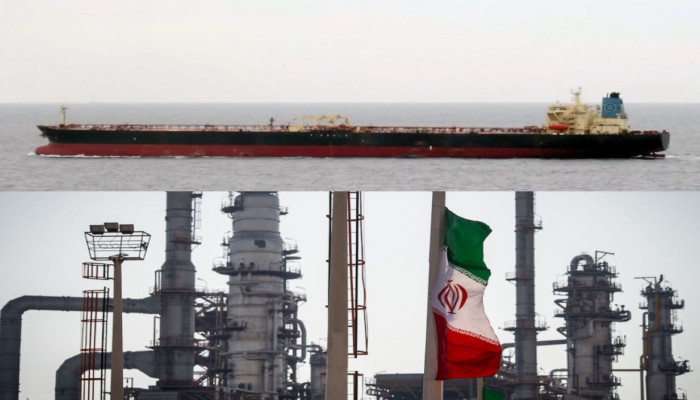
A tanker carrying crude oil from Iran has signalled its destination as India, marking a significant development after a gap of nearly seven years in oil imports between the two countries. This move comes at a time when global oil markets are facing uncertainty due to geopolitical tensions and shifting supply chains.
The tanker’s signal does not necessarily confirm a completed transaction, but it clearly indicates renewed movement involving Iranian crude and Indian destinations. This comes after India had stopped importing oil from Iran in 2019 following the reimposition of US sanctions. Before the halt, Iran was one of India’s major oil suppliers, offering favourable terms such as extended credit periods and discounted freight.
The current development suggests that there may be a gradual shift or flexibility emerging in the global oil trade environment. Market participants are closely watching whether this signals a broader resumption of oil trade between the two nations or remains an isolated instance. The signalling of India as a destination is being tracked through shipping data, which often provides early clues about trade patterns even before official confirmations.
India, being one of the world’s largest importers of crude oil, has diversified its sources significantly over the past few years. It has increased imports from countries like Russia, the United States, and several African nations to reduce dependence on any single supplier. This diversification became necessary after sanctions disrupted traditional supply routes and forced refiners to explore alternative options.
At the same time, Iranian oil continues to attract interest due to its competitive pricing and suitable quality for Indian refineries. If trade were to resume in a more structured way, it could offer cost advantages to Indian buyers. However, any such move would depend heavily on geopolitical conditions and the stance of international sanctions, which still play a crucial role in determining trade feasibility.
The appearance of this tanker in shipping records comes amid ongoing global tensions affecting oil supply routes, particularly in the Middle East. These disruptions have already influenced freight costs, insurance premiums, and the availability of vessels. In such a scenario, any additional supply source, including Iran, becomes strategically important for countries like India that rely heavily on imports.
Industry observers note that while this development is important, it should be seen with caution. A single tanker signal does not automatically indicate a policy shift or long-term agreement. It may reflect opportunistic trade, rerouting, or other commercial arrangements that are not immediately visible. Still, it highlights the evolving dynamics of the global oil market.
The situation also underlines how closely shipping movements are monitored to understand energy flows. Tanker tracking has become a key tool in identifying changes in trade patterns, especially when official data or confirmations are limited. In this case, the tanker’s route and destination signal have sparked discussions about the possible return of Iranian oil to India’s import basket.
For India, maintaining energy security remains a top priority. The country continues to balance cost, supply stability, and geopolitical risks while making import decisions. Any potential re-entry of Iranian crude would need to align with these broader considerations.
Overall, the signalling of India by an Iran-linked crude tanker represents a noteworthy moment in the energy landscape. It reflects both the uncertainty and adaptability of global oil trade, where shifts can occur quietly but carry significant implications. Whether this leads to a sustained revival of trade between India and Iran will depend on how geopolitical and economic factors unfold in the coming months.



 Loading...please wait
Comments