




India to make $2 billion drone purchases with domestic manufacturers
- In Reports
- 06:16 PM, Jun 03, 2026
- Myind Staff
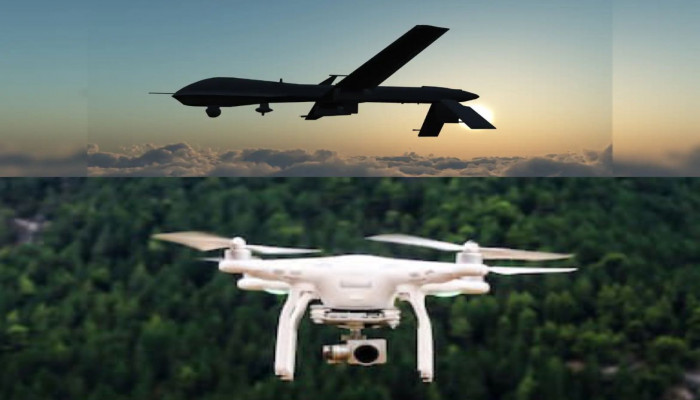
India is preparing for what could become its largest-ever military drone procurement programme, with plans to place orders worth more than $2 billion with domestic manufacturers this year. The proposed purchase comes as India seeks to strengthen its defence capabilities amid changing battlefield requirements and rising use of unmanned systems across the world.
According to Smit Shah, President of Drone Federation India (DFI), the procurement plan is currently in an advanced stage. Deliveries are expected to take place over the next 18 to 24 months. The proposed order would mark a significant rise from recent government contracts worth around ₹30 billion ($313 million) that were awarded for tactical-class drones.
Speaking about the expected procurement, Shah said, "In the next phase, tactical drone procurements in India may exceed 200 billion rupees, or more than $2 billion."
Drone Federation India represents over 550 companies involved in the drone sector and works closely with the government on policy and industry matters. Shah indicated that the upcoming purchases could be processed through a fast-track procurement mechanism. This route is generally used to meet urgent operational requirements and allows quicker acquisition compared to the traditional defence procurement process.
He further noted that the deliveries under the new orders would likely be required within a period of 24 months. The Ministry of Defence has not yet responded to requests for comment regarding the proposed procurement plan.
India's renewed focus on drones gained momentum after military clashes with Pakistan in May last year. During the conflict, both countries used unmanned aerial vehicles extensively for the first time. The deployment highlighted the growing offensive and strategic value of relatively low-cost drone systems in modern warfare.
Global conflicts have also influenced military planning. The wars in Ukraine and Iran have accelerated drone adoption across the world. These conflicts have demonstrated how drones can reshape battlefield tactics while reducing operational costs compared to conventional military platforms.
Earlier this year, in March, the Defence Ministry approved a procurement proposal worth nearly ₹2.38 trillion ($24.85 billion). The proposal included transport aircraft, missile systems and remotely piloted strike aircraft, commonly known as armed drones. However, the government did not provide a detailed spending breakdown for each category.
Industry experts believe drones are becoming increasingly important in military operations. Commenting on the trend, Ramesh Chandra Padhi, an executive at IG Defence and a former senior Army officer, said, "Drones are force multipliers on the modern battlefield."
He further added, "The Indian army is following emergency or fast-track procurement to expedite the induction of drones on a very large scale."
India's drone industry has expanded rapidly in recent years. The country now has more than 600 companies involved in manufacturing drones and drone components. More than 100 of these firms are focused specifically on defence-related applications.
The sector includes major industrial groups such as Adani Group, Larsen & Toubro and Tata Advanced Systems. Alongside these established players, several startups have emerged as important contributors. Companies including IdeaForge, Newspace Research and Asteria Aerospace are actively developing defence drone technologies.
These firms are producing a wide range of systems such as reconnaissance drones, logistics drones, loitering munitions, precision-strike platforms and critical drone components required for military operations.
To support the growing demand for unmanned systems, India has made several changes to its defence procurement framework. Traditionally, defence acquisitions in the country have often taken years to complete. However, recent reforms have enabled faster purchases, especially after security challenges highlighted shortcomings in surveillance and strike capabilities.
The government has increasingly relied on emergency procurement powers and streamlined procedures under the Defence Acquisition Procedure. These measures have reduced procurement timelines from years to just a few months in some cases.
At the same time, New Delhi has continued to prioritise indigenous manufacturing. Preference is being given to systems designed and produced within the country as part of the broader push for self-reliance in defence production.
Government initiatives have also played a key role in supporting innovation. Programmes such as Innovations for Defence Excellence (iDEX) have been expanded to fund prototype development. These initiatives help smaller companies secure initial contracts and increase production capacity more quickly.
The Defence Ministry has also opened additional procurement opportunities for startups and private-sector firms. Testing requirements have been simplified, while the armed forces have been encouraged to place repeat and interim orders. This approach allows companies to improve and refine their products while scaling production.
According to Shah, these policy changes are transforming India's drone ecosystem. The industry, once dominated by smaller players with limited resources, is now witnessing stronger growth due to better order visibility and increased government support.
He noted that venture capital investments and partnerships between startups and larger defence companies have grown significantly. As military demand continues to rise, companies are expanding manufacturing facilities and investing more in research and development to meet future requirements.



 Loading...please wait
Comments