




India tests indigenous tactical missile system off Odisha Coast
- In Reports
- 02:17 PM, Nov 04, 2026
- Myind Staff
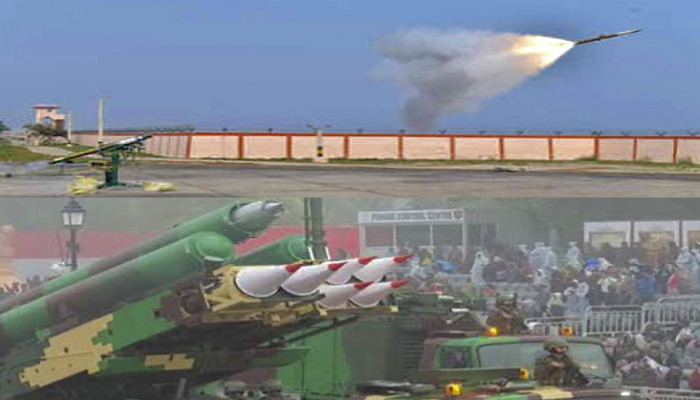
India conducted a flight test of an indigenous short-range tactical missile system off the Odisha coast on November 3, 2026, as part of its efforts to strengthen precision-strike and battlefield support capabilities.
Developed by the Defence Research and Development Organisation (DRDO), the missile is designed to engage multiple types of military targets. The test marks another step in India's efforts to develop advanced indigenous weapon systems.
The DRDO has not yet disclosed which missile was tested. Initial reports suggested that the trial involved the Pralay quasi-ballistic missile system, which was reportedly scheduled for a flight test. However, official confirmation is still awaited.
A quasi-ballistic missile follows a broadly ballistic trajectory, rising after launch before descending towards its target. However, unlike conventional ballistic missiles, it can manoeuvre during flight. This makes its path less predictable and creates challenges for enemy missile-defence systems.
Ahead of the test, authorities issued a Notice to Airmen (NOTAM) covering a large safety zone around the designated test area. Residents living within a 2-km radius of the range were also temporarily relocated as a precaution.
The launch was completed successfully, with tracking and telemetry systems monitoring the missile throughout its flight. DRDO is now analysing the collected data to assess its performance and validate key technical parameters.
The missile system is understood to have advanced guidance and navigation capabilities for high-precision strikes against designated targets. It can also be configured with different warhead options to meet specific operational requirements.
The weapon uses a mobile launcher platform, allowing it to be moved and positioned quickly across different locations. This improves operational flexibility and reduces dependence on fixed launch facilities.
Modern tactical missile systems increasingly feature manoeuvrability to improve their chances of surviving enemy air-defence systems. Such capabilities also make interception more difficult.



 Loading...please wait
Comments