



India takes delivery of sanctioned Iranian LPG to meet rising demand
- In Reports
- 07:02 PM, Apr 09, 2026
- Myind Staff
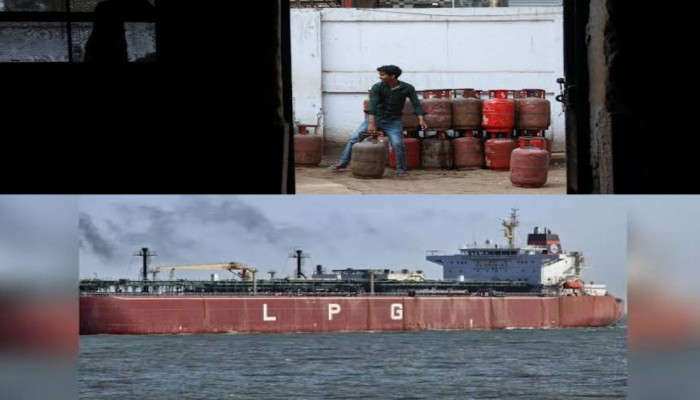
India has taken an unusual step to ensure steady energy supplies by allowing certain Iranian cargoes to enter its ports despite restrictions. This decision comes as the country faces one of its most severe gas shortages in decades. Two officials familiar with the matter said that waivers were recently granted to facilitate the movement of these shipments, highlighting the urgency of the situation.
The move is aimed at speeding up the delivery of energy supplies from the Gulf region. India, which is the world’s second-largest importer of liquefied petroleum gas (LPG), has been struggling to meet rising demand. To manage the shortage, the government has already started rationing gas supplies for industries so that households continue to receive cooking fuel without disruption. This prioritisation reflects the importance of LPG for daily life across the country.
According to sources, India allowed two Iranian cargoes to be transported under special waivers. One of these shipments was carried on an older tanker, while another vessel involved is currently under international sanctions. Despite these concerns, authorities permitted both to proceed, indicating a flexible approach in response to the ongoing crisis.
In a specific case, India granted permission for the LPG tanker Aurora to dock at the southern port of Mangalore. The vessel is around 30 years old, which typically raises safety and compliance questions. However, the urgency of securing fuel supplies appears to have outweighed such concerns. One of the officials confirmed this development, stating that the tanker was allowed entry under special consideration.
The decision to relax norms for these shipments shows how critical the current gas shortage has become. India relies heavily on imports to meet its LPG demand, and any disruption in supply chains can have immediate effects. The crisis has forced policymakers to consider options that would normally not be pursued under standard regulatory conditions.
The situation has been further complicated by global uncertainties and supply constraints. With tensions affecting energy routes and availability, securing timely shipments has become increasingly difficult. In this context, allowing Iranian cargoes, even under exceptional circumstances, appears to be part of a broader strategy to maintain energy security.
Officials involved in the matter emphasised that these waivers are not a permanent shift in policy but a response to extraordinary conditions. They pointed out that ensuring an uninterrupted supply to households remains the top priority. The government’s approach reflects a balance between adhering to international norms and addressing domestic needs.
India’s dependence on LPG imports has grown steadily over the years, making it vulnerable to global market fluctuations. The current crisis has exposed these vulnerabilities, prompting the government to take swift and sometimes unconventional measures. By permitting these shipments, authorities aim to prevent further strain on supply chains and avoid disruptions in essential services.
At the same time, the decision may draw attention due to the involvement of sanctioned vessels and older tankers. Such moves are often closely monitored in the international arena. However, the pressing need to secure energy supplies seems to have taken precedence in this case.
Overall, India’s decision to grant waivers for Iranian LPG cargoes underlines the seriousness of its gas shortage. It also reflects the challenges faced by countries that rely heavily on energy imports. As the situation continues to evolve, further measures may be needed to stabilise supplies and ensure that both households and industries can function without major interruptions.



 Loading...please wait
Comments