




India rushes 38,000 MT fuel aid to Sri Lanka as Gulf crisis disrupts energy supplies
- In Reports
- 06:01 PM, Mar 28, 2026
- Myind Staff
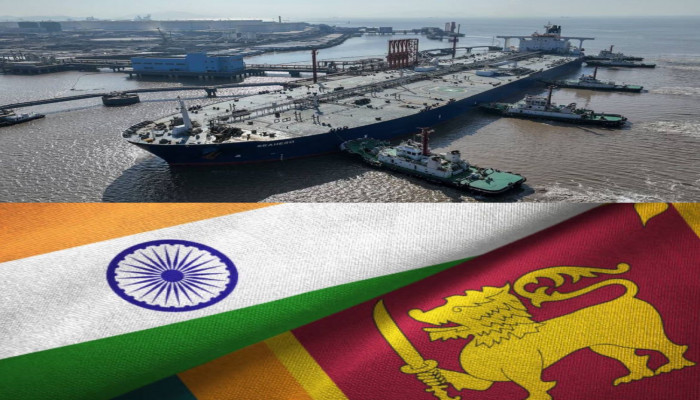
India has stepped in with crucial fuel support to Sri Lanka at a time when rising regional tensions are threatening energy security across South Asia. On 27 March 2026, the Indian High Commission confirmed that a major fuel shipment carrying 38,000 metric tons of diesel and petrol is set to arrive at Colombo Harbour on Saturday. This move highlights New Delhi’s continued effort to support its neighbour during a period of uncertainty and instability.
The shipment includes 20,000 metric tons of diesel and 18,000 metric tons of petrol. It is being delivered through Indian Oil Corporation’s Sri Lankan subsidiary, Lanka IOC (LIOC), which has been central to managing and facilitating the supply. The assistance comes at a critical moment when Sri Lanka is facing severe pressure on its fuel reserves due to disruptions in global supply chains.
This development follows recent high-level diplomatic interactions between the two countries. On 24 March, Sri Lankan President Anura Kumara Dissanayake held a telephone conversation with Indian Prime Minister Narendra Modi. The discussion focused on the ongoing crisis and ways to ensure stability in Sri Lanka’s energy sector. India’s swift response reflects the importance of this dialogue and the urgency of the situation.
Sri Lanka had earlier reached out to India for help as its fuel supply chain came under stress. The disruptions are linked to the ongoing conflict in West Asia, which has significantly impacted global oil movement. The Sri Lankan government also held discussions with India’s External Affairs Minister S Jaishankar, seeking immediate solutions to maintain energy supplies and avoid a deeper crisis. These talks underlined how dependent Sri Lanka is on external energy sources and how vulnerable it remains during global disruptions.
The current crisis can be traced back to the escalation of conflict in the Gulf region. On 28 February, the United States and Israel launched joint strikes against Iran. Iran responded strongly, leading to a wider conflict that has affected the entire Gulf region. One of the biggest consequences has been the closure of the Strait of Hormuz, a key route, which connects the Persian Gulf to the Indian Ocean.
The Strait of Hormuz is one of the most important shipping routes in the world. Hundreds of vessels pass through it every day, including ships carrying oil, gas, and other essential goods. With this route now blocked, global energy flows have been severely affected. Countries that depend heavily on imported fuel, such as Sri Lanka, are facing immediate shortages. Oil prices have risen sharply, and supply chains are under extreme pressure.
To deal with the crisis, Sri Lanka has introduced emergency measures to conserve fuel. The government has started rationing fuel supplies to manage the shortage. It has also reduced the working week for public services to four days to cut down on fuel consumption. These steps are aimed at maintaining essential services such as transport and electricity while waiting for external support to arrive.
India’s assistance is expected to ease the situation in the short term. The arrival of fuel is likely to improve availability at petrol stations and help restore transport services. At the same time, it also strengthens the relationship between the two countries, which has seen challenges in the past due to Sri Lanka’s economic difficulties.
During the economic crisis in 2022, India provided more than $4 billion in support to Sri Lanka through credit lines and other aid. This latest fuel shipment builds on that support and shows India’s continued role as a reliable partner. Analysts believe that such moves also have a strategic angle, as India aims to maintain its influence in the Indian Ocean region, especially in the context of China’s growing presence.
The situation also has wider geopolitical implications. The conflict in the Gulf has disrupted nearly 20 to 30 per cent of global oil transit. This affects not just Sri Lanka but also countries like India, which depend on oil imports from the Middle East. By assisting Sri Lanka, India is positioning itself as a stabilising force in the region and strengthening its diplomatic ties.
Sri Lankan authorities are hopeful that the incoming fuel will bring some relief and help return daily life to normal. However, the larger crisis remains unresolved, as tensions in West Asia continue without a clear end in sight. This raises concerns about how long such support will be needed and whether Sri Lanka can develop more stable and diversified energy sources in the future.
As South Asia deals with these growing challenges, India’s proactive approach may encourage similar cooperation among neighbouring countries. At the same time, it highlights the risks of heavy dependence on global energy routes that can be disrupted by conflict. While the immediate focus is on managing the crisis, both India and Sri Lanka will be watching closely for any diplomatic developments that could bring stability to the region.



 Loading...please wait
Comments