




India rules out Bangladesh’s push for automatic extension of Farakka Ganga water sharing treaty
- In Reports
- 02:03 PM, Nov 05, 2026
- Myind Staff
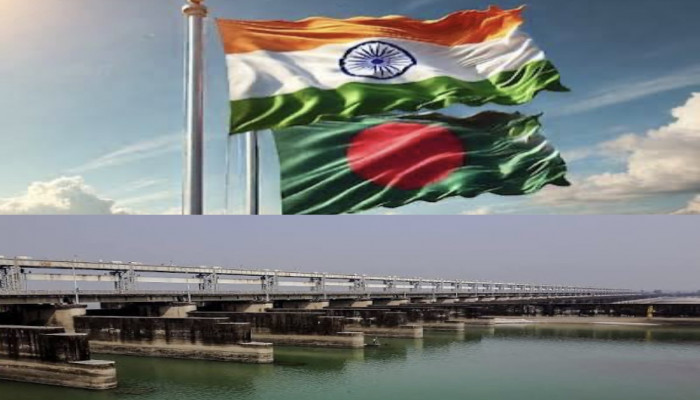
India has taken a firm position on the renewal of the 1996 Farakka Ganga Water Sharing Treaty with Bangladesh, ruling out an automatic extension on Dhaka’s preferred terms. The 30-year agreement is set to expire on December 12, 2026.
Government sources indicate that New Delhi wants fresh bilateral negotiations that prioritise India's federal interests and domestic water security before addressing Bangladesh’s downstream water needs.
The original 1996 agreement was signed under Sheikh Hasina’s Awami League government during a period of stronger bilateral cooperation. However, the current Bangladesh National Party (BNP) government, led by Tarique Rahman, has adopted a more confrontational approach. Opposition figures, including Nahid Islam of the National Citizen Committee (NCP), have also raised strong demands.
Political voices in Dhaka have increasingly linked water-sharing guarantees with transit corridors and threatened public protests. Indian officials no longer see the political environment as having the same level of goodwill and strategic trust that shaped relations over the past three decades.
A major disagreement concerns the dry-season water-sharing formula. Bangladesh wants to restore a guarantee clause similar to the one in the 1977 agreement. It seeks a fixed minimum share of up to 80 per cent for downstream flows, even when water levels at the Farakka Barrage fall sharply during dry months.
India, however, opposes rigid minimum guarantees and favours a flexible, availability-based arrangement. Under this approach, New Delhi would adjust water releases according to actual river flows. This would help protect the needs of upstream states, including West Bengal and Bihar, for agriculture, industry and domestic consumption.
The duration of a renewed agreement is another point of disagreement. Bangladesh wants a long-term or indefinite arrangement to support its future water planning. India is considering a much shorter tenure, which would allow it to review the agreement regularly in response to changing river conditions and regional political developments.
India is also linking the water-sharing arrangement to its broader bilateral relationship with Bangladesh. Officials have indicated that major concessions on water diplomacy will not come in isolation. Any final agreement is expected to depend on progress in trade, security and transit, along with high-level diplomatic engagements involving Prime Minister Tarique Rahman.



 Loading...please wait
Comments