




India removes excise duty on 22%–30% ethanol-blended petrol
- In Reports
- 01:25 PM, Jun 11, 2026
- Myind Staff
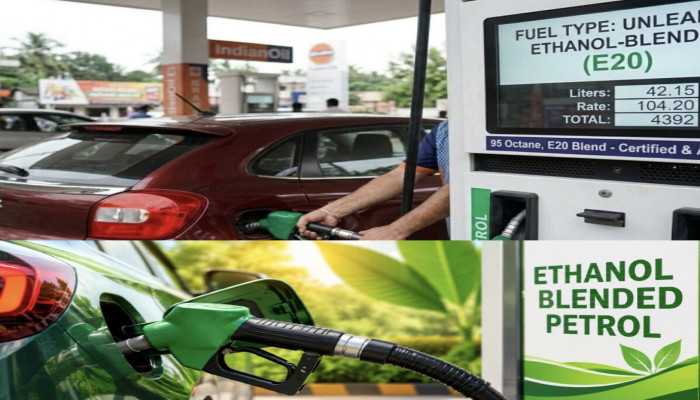
India has removed excise duty on petrol blended with higher levels of ethanol, providing a significant boost to the country's efforts to expand the use of alternative fuels and reduce its dependence on imported crude oil. The decision was announced through a government notification issued on Wednesday and is intended to encourage the production and use of fuel containing a larger share of domestically produced ethanol.
Under the new notification, petrol containing ethanol in the range of 22 per cent to 30 per cent will be exempt from excise duty. The move is part of India's broader strategy to strengthen energy security and lower reliance on imported fossil fuels. As the world's third-largest importer and consumer of oil, India has been actively promoting ethanol blending in petrol over the past several years.
Excise duty is a tax imposed by the government on specific goods, including fuels. By removing this tax on petrol with higher ethanol content, the government has made such fuel blends more financially attractive for producers and suppliers. The exemption specifically applies to petrol blended with ethanol levels between 22 per cent and 30 per cent.
At present, the government has not announced any immediate changes to regular petrol available at retail fuel stations. However, the tax exemption is expected to encourage greater investment in the production, supply, and distribution of higher ethanol-blended fuels. Industry stakeholders are likely to view the measure as a positive incentive to increase the availability of these fuel blends in the future.
India's push for ethanol-blended petrol is closely linked to its goal of reducing dependence on imported crude oil. The country imports a large portion of the oil required to meet its growing energy demand. This dependence exposes India to fluctuations in global crude oil prices and international supply disruptions. By increasing the share of ethanol in transport fuels, the government aims to reduce this vulnerability and improve long-term energy security.
Ethanol is produced within the country using agricultural feedstocks such as sugarcane and grains. Expanding ethanol production helps create a domestic alternative to imported fossil fuels. It also supports the agricultural sector by providing farmers with an additional market for their produce. This has made the ethanol blending programme an important part of both India's energy and rural development strategies.
Over the past decade, India has steadily increased ethanol blending in petrol. The programme has gained momentum as the government seeks to reduce the country's oil import bill while promoting cleaner fuel alternatives. Higher ethanol blending not only supports domestic fuel production but also contributes to efforts aimed at reducing emissions from the transport sector.
The latest excise duty exemption reflects the government's continued commitment to expanding the role of ethanol in India's fuel mix. By making higher ethanol-blended petrol more attractive from a tax perspective, policymakers hope to encourage greater adoption of such fuels across the industry. The measure signals that India intends to accelerate the transition towards alternative fuel sources while meeting rising energy requirements.
The decision comes at a time when the country is balancing increasing fuel demand with the need to improve energy security. With economic growth and rising vehicle usage driving higher energy consumption, reducing dependence on imported crude oil remains a key policy objective. Ethanol blending has emerged as one of the government's major tools to achieve that goal.
For consumers, the immediate impact of the announcement may be limited, as no direct changes have been made to the regular petrol currently sold at fuel stations. However, the tax relief is expected to support the long-term expansion of higher ethanol-blended fuels in the market. As production and supply increase over time, the measure could play an important role in shaping India's future fuel landscape.
The exemption marks another step in India's ongoing efforts to strengthen energy independence, support domestic ethanol production, and encourage the use of alternative fuels. It also highlights the government's focus on creating a more resilient energy system while reducing the country's exposure to global oil market volatility.



 Loading...please wait
Comments