




India rejects tribunal’s order on Indus water projects, says ‘no jurisdiction, no authority’
- In Reports
- 02:28 PM, Feb 03, 2026
- Myind Staff
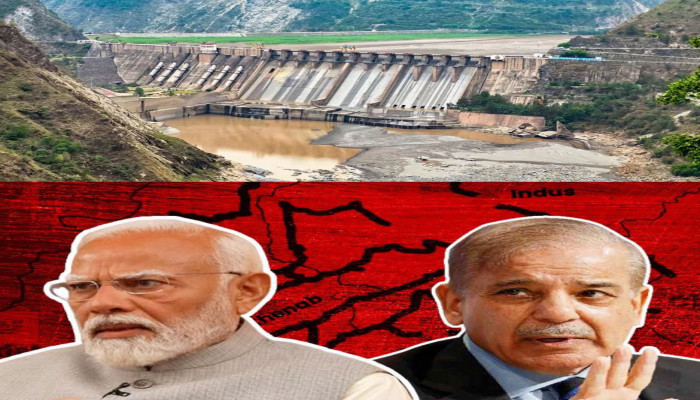
On February 2, India firmly rejected a “supplemental award” issued by a Court of Arbitration related to the Kishenganga and Ratle hydroelectric projects, stating that the tribunal has no legal standing, no jurisdiction, and no authority to question India’s actions as a sovereign nation.
In an official statement, the Ministry of External Affairs (MEA) made it clear that India does not recognise the existence of the arbitral body. It said that since the Indus Waters Treaty (IWT) has been placed in abeyance, India is no longer bound to carry out any of its obligations under the agreement. New Delhi also stressed that all proceedings, orders, and decisions of the tribunal are considered illegal and void.
“The constitution of this so-called Court of Arbitration is itself a serious breach of the Indus Waters Treaty,” the MEA said. The ministry underlined that India has never formally accepted the tribunal nor participated in any part of the arbitration process.
Rejecting the authority of the body, the MEA stated, “No Court of Arbitration, much less this illegally constituted arbitral body which has no existence in the eye of law, has the jurisdiction to examine the legality of India’s actions in exercise of its rights as a sovereign.”
According to government sources quoted by NDTV, India views the tribunal as illegally formed and therefore sees no obligation to comply with any interim orders, hearings, or awards issued by it. The sources said that any attempt by the tribunal to assert authority over India amounts to clear overreach.
The strong response from New Delhi was triggered by an order from the tribunal directing India to submit operational pondage logbooks of the Baglihar and Kishenganga hydropower projects. These documents were sought as part of what the tribunal described as the “second phase on the merits” of the dispute.
Hearings related to the matter have been scheduled for February 2 and 3 at the Peace Palace in The Hague. However, the tribunal itself acknowledged that India has neither filed any counter-submissions nor indicated its willingness to participate in the proceedings.
India’s position on this issue has been described as clear and unequivocal. Officials have said that any engagement with the arbitration process would give legitimacy to a body that India considers unlawful. For this reason, New Delhi has chosen to completely disengage from the proceedings.
The MEA has also placed India’s stand within a wider national security framework. Following the April 2025 Pahalgam terrorist attack, India decided to place the Indus Waters Treaty in abeyance, citing its rights as a sovereign nation under international law.
As part of this decision, India has stopped sharing hydrological data with Pakistan. This includes information on river flow levels, flood warnings, and glacier melt data, all of which were earlier shared under the provisions of the treaty.
The MEA said that the suspension of the treaty-related cooperation will continue until Pakistan “credibly and irrevocably ends its support for cross-border terrorism.” This, the ministry said, signals that national security concerns now take priority over treaty-based cooperation.
Prime Minister Narendra Modi has also spoken strongly about the Indus Waters Treaty. He has described the 1960 agreement as “unjust,” “one-sided,” and harmful to Indian farmers. Emphasising India’s position, the Prime Minister has said that “blood and water cannot flow together.”
Through its statements and actions, India has made it clear that it does not accept the authority of the tribunal and will not comply with its orders. The government has maintained that its decisions regarding the Kishenganga and Ratle projects are within its sovereign rights and cannot be questioned by what it calls an illegally constituted body.



 Loading...please wait
Comments