




India receives nine decommissioned Jaguar attack aircraft from UK
- In Reports
- 03:05 PM, Jul 06, 2026
- Myind Staff
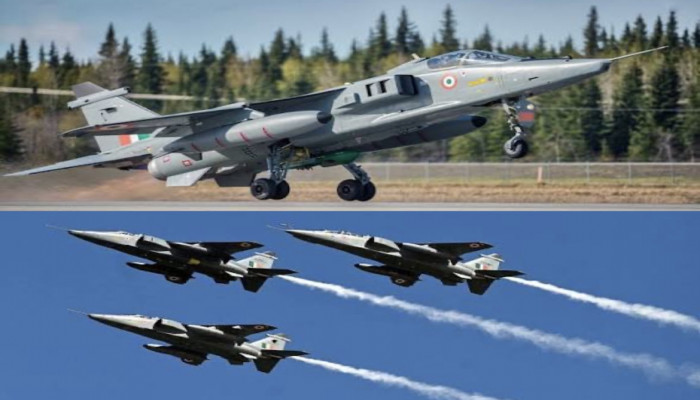
The Indian Air Force has received nine decommissioned Jaguar attack aircraft from the United Kingdom’s Ministry of Defence to support its existing Jaguar fleet. The transfer includes aircraft that would help India maintain and service its operational fleet, which is active despite growing challenges in sourcing spare parts.
UK Defence Journal reported this development and cited a written response from Luke Pollard, Minister of State for Defence Readiness and Industry. The UK Ministry of Defence transferred five GR1-version Jaguars and four T2-version Jaguars to India. At the same time, the United Kingdom retained 42 additional Jaguar aircraft in storage.
Reports had already indicated these plans in 2024. The latest transfer reflects continued cooperation between the two countries in defence support and logistics.
India is currently the last country that still operates Jaguar aircraft. The Indian Air Force calls the aircraft Shamsher. The Jaguar platform has been out of production for many years, making the availability of original spare parts increasingly difficult. India has therefore turned to countries that previously operated the aircraft for technical support and spare components.
Hindustan Aeronautics Limited (HAL) manufactures and supports a large part of India’s Jaguar fleet under licence. The company plays a key role in keeping the aircraft operational and extending their service life.
The United Kingdom retired the Jaguar from Royal Air Force service in 2007 as part of defence cost-cutting measures. The 42 aircraft that remain in the Ministry of Defence storage are no longer airworthy. However, they still hold value as a source of parts and technical support for countries that continue to operate the platform.
The Franco-British SEPECAT consortium originally developed the Jaguar attack aircraft for low-altitude strike and reconnaissance missions. The aircraft entered service with the Royal Air Force in 1974 and became known for its ability to carry out precision attacks at low altitude.
During its operational career, the Jaguar participated in several military campaigns. It saw combat during the 1991 Gulf War and later took part in operations over Iraq and the Balkans. These missions demonstrated the aircraft’s strike capabilities and its effectiveness in demanding operational environments.
For India, the arrival of these retired aircraft offers practical support for a fleet that still plays an important role in the Indian Air Force. The transfer will help maintain aircraft availability and provide additional resources for sustaining the Jaguar fleet in the coming years.



 Loading...please wait
Comments