



India receives 4 million barrels of Iranian oil, first supply in seven years ahead of waiver expiry
- In Reports
- 07:11 PM, Apr 15, 2026
- Myind Staff
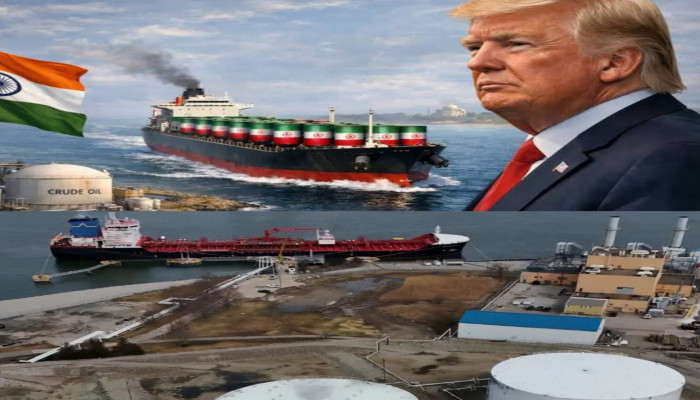
India has received nearly 4 million barrels of crude oil from Iran during the ongoing Middle East conflict, marking the first such import in around seven years. This move comes as India seeks to secure energy supplies quickly before a deadline set by the Donald Trump administration expires over the weekend. The development reflects India’s efforts to manage its energy needs at a time when global oil markets are facing uncertainty.
The country depends heavily on imported crude oil and is highly sensitive to price changes. Recent disruptions in global oil supply have added to these concerns. These disruptions followed strikes by the United States and Israel on Iran since late February. As a result, oil flows have been affected, creating volatility in international energy markets and pushing countries like India to look for alternative supply arrangements.
To address the situation, India has made use of temporary waivers provided by Washington. These waivers allowed limited purchases of crude oil from restricted sources such as Russia and Iran. The aim was to ease pressure on global oil prices and ensure supply stability. However, the relief is short-term. One waiver has already expired, and the other is expected to lapse soon unless it is extended at the last moment. This has increased urgency for India to secure shipments while it still can.
According to a Bloomberg report citing sources familiar with the matter and vessel-tracking data from intelligence firms Kpler and Vortexa, shipments of Iranian crude have already reached Indian ports. The very large crude carrier named Jaya is currently unloading its cargo at Paradip, located on India’s eastern coast. At the same time, another tanker, Felicity, is carrying out similar operations at Sikka on the western coast. Both vessels are under US sanctions due to their involvement in transporting Iranian oil.
Port documents reviewed by Bloomberg News indicate that both tankers are expected to leave for Indian ports by Friday. The arrival and unloading of these shipments suggest that India has managed to navigate logistical and regulatory challenges to access Iranian crude despite ongoing restrictions.
Indian Oil Corporation is responsible for handling crude shipments at Paradip. On the western side, Sikka serves as a key hub used by Reliance Industries as well as Bharat Petroleum Corporation. The latter operates a single-point mooring facility in the area, which allows efficient handling of large oil tankers. These facilities have played a crucial role in managing the current imports.
In the past, India had become one of the largest importers of seaborne Russian crude, especially after shifting its sourcing strategy last year. However, obtaining Iranian oil has remained more complicated. Financial sanctions have made it difficult for refiners to arrange payments and logistics for such shipments. Despite these challenges, India recently indicated that it would consider importing crude from Iran and other sources to deal with supply constraints caused by the ongoing conflict.
The arrival of cargoes carried by Jaya and Felicity highlights that alternative arrangements may have been put in place to enable these transactions. These could include adjustments in payment systems or logistical coordination that allow imports despite sanctions. The situation reflects the balancing act India must perform between meeting its energy needs and managing geopolitical risks.
Meanwhile, another vessel linked to Iran, named Derya, is currently stationed off India’s western coast. It is carrying a full load of crude oil and had taken on cargo at Kharg Island in late March. However, it appears that the tanker may have missed the deadline associated with the US waiver. As of now, it is signalling that it is waiting for further instructions, which suggests that it has not yet secured permission to dock at an Indian port.
The presence of the Derya near Indian waters adds another layer of uncertainty to the situation. It indicates that while some shipments have been successfully completed, others remain in limbo due to regulatory and timing issues. This reflects the broader challenges faced by countries trying to navigate sanctions while ensuring energy security.
Overall, India’s decision to resume crude imports from Iran after several years shows the urgency created by global supply disruptions. It also highlights the importance of strategic flexibility in energy sourcing. As the waiver deadline approaches, the situation remains fluid, with further developments expected depending on policy decisions and market conditions.



 Loading...please wait
Comments