




India raises concerns over China’s mega dam in Tibet, seeks hydrological data of transboundary rivers
- In Reports
- 06:47 PM, Aug 07, 2026
- Myind Staff
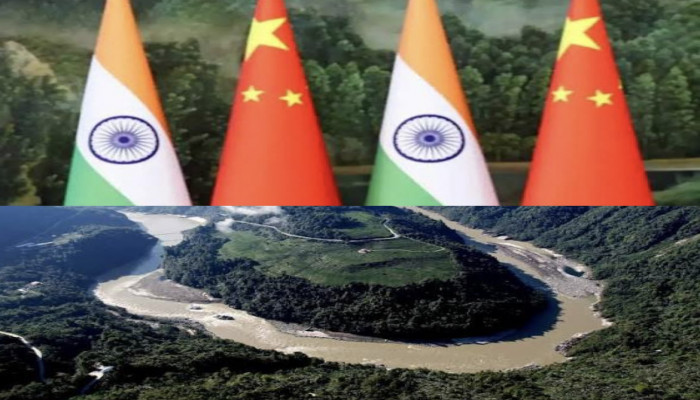
India has urged China to resume sharing hydrological data on transboundary rivers as concerns grow over Beijing’s construction of a massive dam on the Yarlung Tsangpo river in Tibet. The project is expected to become the world’s largest dam and could have major implications for downstream countries, including India and Bangladesh. India raised the issue during talks with Chinese officials in New Delhi, according to a press release issued by the Ministry of External Affairs (MEA).
New Delhi called for an early meeting of the Expert Level Mechanism on trans-border rivers. It also stressed the need for China to share technical details about projects being built upstream. India highlighted the importance of regular water-flow data from rivers that originate in China and flow into downstream countries. The issue was discussed during the 36th meeting of the Working Mechanism for Consultation and Coordination (WMCC) on India-China Border Affairs.
The WMCC serves as a diplomatic and military mechanism between India and China. It is used to discuss issues linked to the border and help prevent tensions between the two countries. During the latest meeting, both sides also reviewed steps to stabilise bilateral ties. They discussed long-pending differences along the disputed border and the need to maintain communication through established channels.
China is building the mega-dam in the mountainous region of Tibet on the Yarlung Tsangpo river. Bloomberg has reported that the project is estimated to cost around 1.2 trillion yuan, or about $178 billion. The dam is expected to take nearly a decade to complete. Its construction has raised concerns over its possible impact on the local environment and downstream countries.
The Yarlung Tsangpo is known as the Brahmaputra after it enters India. The river then flows into Bangladesh and supports millions of people across the region. Any major changes in its flow could therefore have consequences for communities, agriculture and ecosystems in downstream areas. India has repeatedly stressed the need for transparency and information sharing on projects that could affect the river’s flow.
India has also raised concerns over China’s decision to stop sharing hydrological information. The government told Parliament in August last year that China had not provided hydrological data on the river since June 2023. Such data is considered important for downstream countries, particularly during periods of heavy rainfall and flooding. India has therefore sought the resumption of regular data sharing as well as greater information about China’s upstream infrastructure projects.
The issue came up during wider discussions on India-China relations and border management. The MEA said both countries agreed to maintain peace and tranquillity along the disputed border. India and China will continue to use existing diplomatic and military channels to communicate. These mechanisms are aimed at preventing misunderstandings and avoiding situations that could lead to further tensions.
India and China share an unmarked 3,488-kilometre border. The boundary has remained a major source of tension and has witnessed several military stand-offs in recent years. Relations between the two countries deteriorated sharply after a deadly clash along the border in June 2020. The incident led to a prolonged freeze in bilateral ties and increased military deployments along the frontier.
In recent years, the two sides have taken steps to gradually improve relations and reduce tensions along the border. Prime Minister Narendra Modi met Chinese President Xi Jinping in Tianjin last August as part of these efforts. However, several differences between the two countries remain unresolved, including concerns related to the border and water resources.
India’s latest push for river data comes as China moves ahead with its major dam project in Tibet. New Delhi is seeking greater transparency over developments upstream and wants regular communication on issues involving trans-border rivers. The demand for hydrological data and technical information remains a key part of India’s efforts to protect its interests as a downstream country while keeping diplomatic channels open with China.



 Loading...please wait
Comments