



India puts Mali lithium project backed by Russia on hold over rising security risks
- In Reports
- 08:42 PM, Feb 13, 2026
- Myind Staff
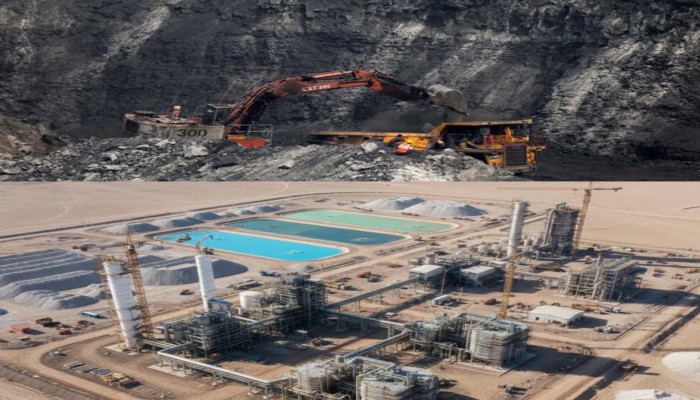
India is pulling out of a lithium exploration project in Mali that was backed by Russia’s state nuclear corporation Rosatom, as growing security risks in the West African nation are raising concerns over the safety of investments, sources told Reuters.
According to the sources, India has decided to halt its involvement because Mali has become increasingly unstable due to militant violence and political uncertainty. The decision comes as Western nations, including Britain, France, and the United States, have urged their citizens to leave Mali because of worsening security conditions.
The landlocked African country has been facing attacks from al Qaeda-linked militants, who have been targeting economic assets and foreign investments. These developments have made the environment risky for foreign partners looking to invest in major mineral projects.
Last year, Rosatom approached two Indian government-backed companies — Khanij Bidesh India Ltd (KABIL) and NLC India Ltd — with a proposal to explore lithium in Mali. Mali is considered an emerging producer of lithium, which is a critical mineral used in manufacturing batteries for electric vehicles.
However, the project has now been paused due to concerns about potential financial losses.
“The project is on hold because we cannot be spending on something where there is a chance we will lose our investment,” one of the sources said.
The sources, who were directly involved in the discussions and decision-making, requested anonymity because the talks were confidential.
India’s mining ministry, KABIL, and NLC India did not respond to requests for comment from Reuters. Rosatom also declined to comment on the development.
Russia has been working to strengthen its ties with several African nations through various efforts, including military cooperation. It has also expanded its relationship with Mali and Burkina Faso in recent years.
India, which is currently the world’s fastest-growing major economy, has been actively looking for stable supplies of lithium as it expects demand for the mineral to rise sharply in the coming years. Lithium is considered crucial for India’s clean energy plans, as it is an essential material for producing batteries used in electric vehicles, which help reduce carbon emissions.
India is the world’s third-largest emitter of carbon emissions, and the government has set major electric vehicle targets as part of its efforts to cut emissions. The country aims to reach 30% electric car penetration and 80% penetration for electric two-wheelers by 2030. At present, electric vehicles make up about 4% of car sales and 6% of two-wheeler sales.
New Delhi has been stepping up its efforts to secure critical minerals from resource-rich nations. India has recently increased talks and deals with countries such as Argentina, Australia, and Chile to ensure access to lithium and other important minerals.
In 2024, KABIL signed an exploration and development agreement with a state-owned company in Argentina. The deal was focused on exploring and mining five lithium blocks. However, Reuters reported that India has not signed any similar deals since that agreement.
The decision to pause the Mali lithium project highlights the challenges in securing overseas mineral resources, especially in regions affected by conflict and instability.



 Loading...please wait
Comments