




India offers 21 new oil, gas blocks in OALP round XI bidding
- In Reports
- 05:39 PM, Mar 30, 2026
- Myind Staff
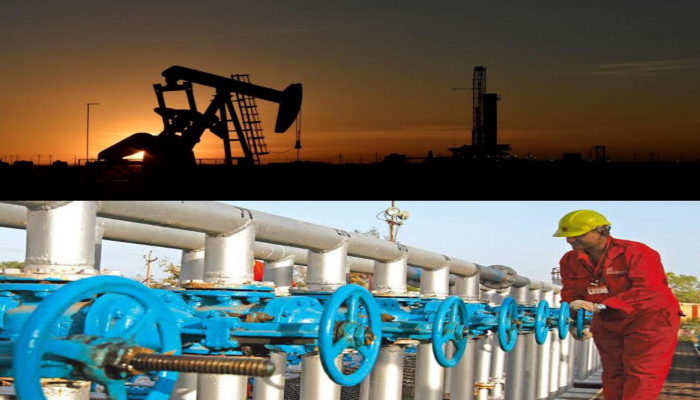
India is preparing to offer 21 oil and gas blocks under the upcoming Open Acreage Licensing Policy (OALP) Round XI, as part of its continued push to strengthen domestic energy production and reduce reliance on imports. The move reflects the government’s strategy to expand exploration activities across different types of basins and attract more investment into the upstream sector.
The Directorate General of Hydrocarbons has already shared details about the blocks that will be included in this new bidding round. These blocks are spread across a total area of about 80,235 square kilometres. The offering includes a mix of different terrains to encourage diverse exploration efforts. Out of the 21 blocks, 12 are located on land, four are in shallow water areas, one is in deepwater, and four are in ultra-deepwater regions.
Even though the details of the blocks and bidding criteria have been released, the official timeline for bid submissions has not yet been announced. This comes at a time when the previous bidding round, OALP-X, is still open. The ongoing round was launched during India Energy Week 2025 and is considered the largest so far. It includes 25 blocks covering nearly 1.92 lakh square kilometres. The deadline for submitting bids in that round has been extended multiple times and is currently open until May 29, 2026.
The selection process for awarding these blocks depends on the category of the sedimentary basins. For Category-I basins, which already have established oil and gas production, companies will be evaluated based on the revenue share they offer to the government and the scale of exploration work they commit to. This ensures that both financial returns and development efforts are taken into account.
For Category-II and Category-III basins, the focus shifts more towards exploration activity. These basins either have known hydrocarbon potential without commercial production or are relatively unexplored but promising. In such cases, companies will be selected mainly based on their proposed work programmes, such as seismic surveys and drilling commitments.
India introduced the OALP system in 2016 under the Hydrocarbon Exploration and Licensing Policy (HELP). This marked a major shift in how exploration blocks are offered. Earlier, the government used to identify and auction blocks. Under OALP, companies are allowed to choose areas they want to explore and submit expressions of interest. This change has provided greater flexibility and has made the process more investor-friendly.
The HELP framework also includes several incentives aimed at attracting both domestic and global players. These include reduced royalty rates, no oil cess, full exploration rights during the contract period, and freedom in pricing and marketing of oil and gas. These measures are designed to make the exploration sector more competitive and commercially viable.
Over the years, the government has steadily increased the area available for exploration through multiple bidding rounds. Across the first nine rounds of OALP, around 3.78 lakh square kilometres have been offered. The ninth round alone included 28 blocks covering about 1.36 lakh square kilometres, showing the scale at which exploration opportunities are being expanded.
Participation in these rounds has seen a mix of public and private sector companies. In the OALP-IX round, state-owned ONGC secured the largest number of blocks, both independently and in partnership with Oil India. Vedanta also emerged as a major player by bidding for all the blocks offered in that round.
The upcoming OALP-XI round is expected to further accelerate exploration activity in the country. By offering a balanced mix of onshore and offshore blocks, the government aims to tap into untapped hydrocarbon reserves. This is a key part of India’s broader strategy to enhance energy security and reduce its dependence on imported oil and gas.
Overall, the new bidding round signals the government’s continued focus on expanding the exploration landscape and encouraging greater participation from the energy sector. It also reflects a long-term vision to strengthen domestic production capabilities while creating a more flexible and investor-friendly policy environment.



 Loading...please wait
Comments