




India flags China’s trade barriers, seeks easier access for services exporters
- In Reports
- 06:29 PM, Oct 12, 2026
- Myind Staff
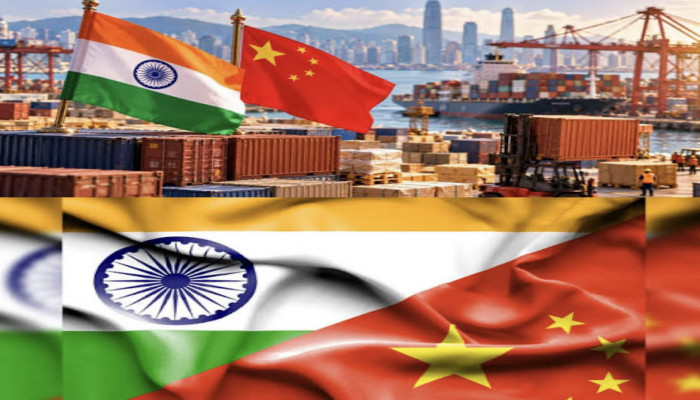
India is identifying trade barriers faced by its services exporters in China, including strict licensing, registration and local regulatory requirements. The commerce department has sought industry feedback on data localisation, cybersecurity, cross-border data transfers, visas, work permits and the recognition of professional qualifications.
"Efforts are underway to identify trade barriers in China in both goods and services," said an official, who did not wish to be identified. The exercise aims to help Indian service providers explore new opportunities, partnerships, investments and export growth. India’s services exports to China stood at $8.95 billion in 2024.
Indian companies also face restrictions on deploying professionals to China, making cross-border operations difficult. "China's total import of services is around $300 billion, but India's services exports to that country are only around $8 billion," said an industry representative. Information technology, IT-enabled services and digital solutions are among India's key service exports to China.
Other concerns raised by exporters included taxation, payments, remittances and limited access to contracts. Indian services firms operate in China, but many do not directly serve their clients. Instead, they work through other entities that represent those clients.
The commerce department has also sought details on cross-border and virtual service delivery, as well as the commercial presence of Indian firms in China. These include rules governing business establishment, ownership, local partnerships and operational requirements.
The United States and the United Kingdom remain the world's leading exporters of commercial services. India's share of global commercial services exports increased from 3% in 2014 to 4.3% in 2024. China's share rose from 4.2% to 5.1% during the same period.
India's services export growth averaged 14% between 2022-23 and 2024-25, up from 7.6% before the Covid-19 pandemic. Strong global demand and expanding opportunities in digital and space services have supported this growth.
Trade experts said visa restrictions and the movement of professionals involve political considerations. However, issues concerning mutual recognition agreements, certification and standards could be easier to resolve.
"One also needs to see how compatible India's Digital Personal Data Protection Act and China's Personal Information Protection Law are, which regulate personal data in the two countries," said a Delhi-based trade expert.



 Loading...please wait
Comments