




India eyes first cargo voyage through Northern Sea Route to Russia
- In Reports
- 06:08 PM, Aug 18, 2026
- Myind Staff
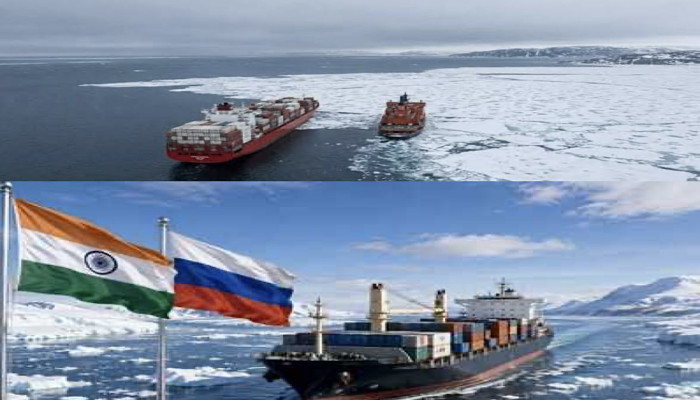
India is exploring the possibility of sending its first cargo ship through Russia’s Northern Sea Route (NSR) next year. The move could open a faster Arctic shipping link between India and Russia. It also comes as Moscow looks to expand international trade through the Arctic route.
Russia’s Arkhangelsk region has held discussions with New Delhi on ways to use the economic potential of the NSR. Aleksandr Tsybulsky, governor of the Arkhangelsk region, said India is showing growing interest in the route. He made the remarks in an interview with RT on the sidelines of the ‘Arctic – Regions’ Forum held last week. India was a key partner at the forum.
Tsybulsky said India sees “huge possibilities” in using the Northern Sea Route. The discussions between the two sides covered several areas. These include shipbuilding, cargo handling, exports and industrial production around ports in the Arkhangelsk region.
The Northern Sea Route runs for around 5,600 km along Russia’s Arctic coastline. It connects the Atlantic and Pacific sides of the Arctic through Russian waters. Large parts of the route remain covered by thick ice for much of the year. However, the retreat of sea ice linked to climate change has increased the period during which ships can use the route.
The NSR requires vessels with specialised ice-strengthened designs. Russia is also developing and operating nuclear-powered icebreakers to support shipping in the region. Russian nuclear major Rosatom, which manufactures such vessels, is expected to sign a Memorandum of Understanding with India on the Northern Sea Route.
The Arctic route could also give India access to Russia’s resource-rich northern regions. The Russian Arctic holds large reserves of hydrocarbons, including liquefied natural gas, along with minerals such as nickel, copper, platinum, palladium and rare earth elements. Greater shipping activity could support the movement of these resources and other goods between the two countries.
Arkhangelsk has an important role in this plan. The city lies along the Northern Dvina River and serves as a major cargo centre connected to the Northern Sea Route. Russia wants to use its port infrastructure to support cargo movement to and from India.
According to an ET report, the talks between India and the Arkhangelsk region include the possibility of building ships for India at shipyards in the region. The two sides are also discussing the use of Arkhangelsk’s ports for handling cargo from India and shipments going to India. Another proposal involves setting up manufacturing facilities near ports in the region.
Tsybulsky told RT, “building ships for India at shipyards in the Arkhangelsk region, to using our port facilities to deliver cargo from India, and to export cargo to India, and technological options such as placing and locating production around the ports of the Arkhangelsk Region,”
S. Venkatesapathy, joint secretary in India’s Ministry of Shipping, also attended the forum. His participation highlights India’s interest in expanding cooperation on Arctic shipping and logistics.
For Indian cargo vessels, the NSR could offer a major reduction in sailing time. The route can cut the sailing distance by as much as 40% and reduce travel time to northern and eastern Europe by around two weeks compared with the traditional route through the Suez Canal. Shipping through the Suez Canal has faced disruptions linked to the Iran war, affecting maritime traffic and increasing uncertainty for international trade.
The NSR could therefore provide India with another option for reaching European markets. A shorter route could reduce travel time and potentially lower shipping costs. It could also strengthen India’s trade links with Russia and other markets connected to the Arctic region.
Russian President Vladimir Putin has also pointed to growing international interest in the route. He recently said countries including China and India are showing greater interest in the economic opportunities offered by the NSR.
Moscow is investing heavily in infrastructure along the Arctic route. Russian Deputy Foreign Minister Alexander Grushko said at the forum that Russia is pleased with the interest shown by international partners. The investments include efforts to improve ports, shipping infrastructure and other facilities needed to support year-round Arctic trade.
India already has another developing maritime link with Russia through the Chennai-Vladivostok corridor, also known as the Eastern Maritime Corridor (EMC). Cargo movement along the corridor has increased by 70%. The Northern Sea Route could add another layer to India-Russia maritime cooperation and give trade between the two countries a further boost.
India’s possible first cargo voyage through the NSR would mark an important step in its growing engagement with the Arctic. It could also test the commercial potential of a route that Russia is positioning as a major future trade corridor. The proposed cooperation on ships, ports and manufacturing could further deepen economic ties between India and Russia while giving Indian trade an alternative route to Europe.



 Loading...please wait
Comments