




India-EU sign aviation safety agreement; Airbus helicopter assembly to come up in Karnataka
- In Reports
- 06:35 PM, Mar 27, 2026
- Myind Staff
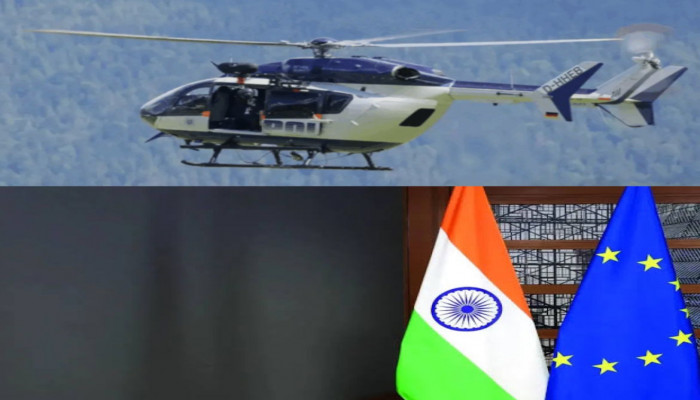
India and the European Union have signed a key agreement to strengthen cooperation in aviation safety and industrial production, marking an important step in aligning India’s aviation ecosystem with global standards. The arrangement was signed between India’s Directorate General of Civil Aviation (DGCA) and the European Union Aviation Safety Agency (EASA), enhancing collaboration in aircraft manufacturing and regulatory practices.
This working arrangement focuses on improving aviation safety by harmonising production standards and regulatory frameworks between India and the EU. It is expected to support better coordination in certification processes and ensure that aviation products manufactured in India meet globally accepted safety benchmarks. The agreement reflects a broader effort to deepen technical cooperation and bring India’s aviation sector closer to international norms.
A major highlight of this pact is its role in boosting industrial collaboration, particularly under India’s ‘Make in India’ initiative. The agreement is expected to facilitate joint projects and partnerships in the aviation manufacturing sector. Aligning Indian production practices with European standards, will make it easier for Indian aerospace products to access global markets and strengthen the country’s position in the global supply chain.
One of the key outcomes of this cooperation will be the assembly of Airbus Helicopters’ H125/AS350 models in Karnataka. This project represents a significant milestone in India’s aerospace manufacturing journey, as it brings advanced helicopter production capabilities to the country. The initiative is expected not only to meet domestic demand but also cater to regional and international markets.
The agreement also signals growing trust and partnership between India and the European Union in the field of aviation. By working together on industrial production and safety standards, both sides aim to create a more integrated and efficient aviation ecosystem. This collaboration is likely to encourage further investments and technology transfer in the sector, benefiting both regions in the long run.
Officials highlighted that such partnerships are crucial for ensuring high safety standards while expanding manufacturing capabilities. The alignment of regulatory systems will help streamline approvals and reduce complexities for companies operating across both markets. It also opens up opportunities for innovation and knowledge sharing in advanced aviation technologies.
The development of helicopter assembly facilities in Karnataka is seen as a major boost to India’s aerospace ambitions. It will generate employment, enhance technical expertise, and strengthen local manufacturing infrastructure. At the same time, it reinforces India’s commitment to becoming a global hub for aviation production.
Overall, the India-EU aviation pact represents a strategic move to improve safety standards while expanding industrial cooperation. By combining regulatory alignment with manufacturing initiatives, the agreement is expected to create long-term benefits for both sides. It not only strengthens bilateral ties but also positions India as an emerging leader in the global aviation industry.



 Loading...please wait
Comments