




India eyes retaliation as US rejects WTO notice on metal tariffs, escalates duties to 50%
- In Reports
- 05:48 PM, Jun 02, 2025
- Myind Staff
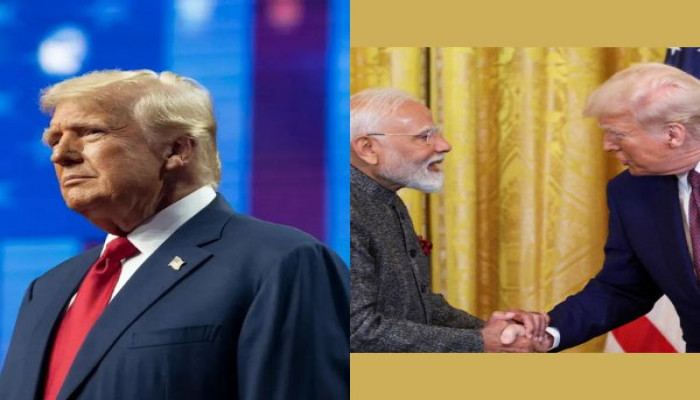
The US rejected India's May 9 notification to the World Trade Organisation (WTO). India had proposed retaliatory measures against Washington for imposing high import tariffs on steel and aluminium. The US said its actions did not qualify as safeguard measures. It also said it would not hold any discussion with New Delhi on the issue, according to people familiar with the matter on Sunday.
The issue escalated when the Trump administration on May 30 announced that it would double the tariffs on steel and aluminium to 50%. These tariffs came into effect on June 4. The US cited national security as the justification.
In response, India considered retaliating. It could proportionately suspend concessions on American imports, such as almonds and walnuts. It could also impose higher customs duties on metal imports from the US, people in the know cited. India had issued the notice in reaction to the US’s February 10 decision to impose a 25% tariff on all imports of steel and aluminium, effective from March 12. The situation worsened when, on May 30, the Trump administration announced the increase of tariffs to 50%, with effect from June 4, again citing national security.
India issued a formal notification to the WTO on May 9 in response to the US decision to raise tariffs on steel and aluminium to protect domestic producers. India stated that it could suspend “concessions and other obligations” granted to the US after 30 days from the date of notification, which would be June 8.
The US responded on May 22. It told the WTO that India’s proposed retaliation was inconsistent with multilateral trade rules. The US claimed its metal tariffs were not safeguard measures. “Accordingly, there is no basis for India’s proposal to suspend concessions or other obligations under Article 8.2 of the Agreement on Safeguards with respect to these measures,” the US stated in its communication to the WTO.
The US also refused to hold consultations with India. It said it would not discuss the tariffs under the Agreement on Safeguards because it did not consider them safeguard measures. “The United States will not discuss the Section 232 tariffs under the Agreement on Safeguards as we do not view the tariffs as a safeguard measure,” the US said in its submission to the WTO.
India’s commerce ministry did not respond to queries on the matter. But sources said India might go ahead with retaliation unless the US granted India preferential treatment on the metals under the ongoing negotiations for an early harvest deal in the proposed Bilateral Trade Agreement (BTA). Both sides were working to conclude the deal by the end of the month. A US negotiating team was expected to visit India during the week, the sources said.
Experts called the US tariff hikes on steel and aluminium a serious issue for India. “For India, the consequences are direct,” said Ajay Srivastava, founder of the Global Trade Research Initiative (GTRI) and former Indian Trade Service officer. “In FY25, India exported $4.56 billion worth of iron, steel, and aluminium products to the US, including $587.5 million in iron and steel, $3.1 billion in articles of iron or steel, and $860 million in aluminium and related articles. These exports now face sharply higher US tariffs, threatening the profitability of Indian producers and exporters.”
Srivastava said India had already issued a formal notice at the WTO. It signalled India's intention to impose retaliatory tariffs on US goods in response to the earlier steel tariffs. “With President Trump now doubling the tariffs, it remains to be seen whether India will carry out the retaliation by increasing tariffs on certain US exports within a month,” he said.
Hindustan Times had reported on May 14 that India proposed imposing proportionate retaliatory import duties on US goods. This was in response to the US imposing safeguard tariffs on Indian aluminium and steel. “The safeguard measures would affect US$ 7.6 billion imports into the United States of the relevant products originating in India, on which the duty collection would be US$ 1.91 billion. Accordingly, India’s proposed suspension of concessions would result in an equivalent amount of duty collected from products originating in the United States,” India wrote in its May 9 notice to the WTO.
The US maintained at the WTO that its tariffs on steel and aluminium were based on national security concerns. It denied that they were safeguard measures, as claimed by India. “Such disputes at WTO are common and routine. Without an effective appellate body at the multilateral forum, disputes have no real significance,” said one of the people cited earlier.
Another person said the issue remained complex. The previous Donald Trump administration in 2018 had imposed a 25% tariff on certain steel items and a 10% duty on aluminium, citing national security. India retaliated in June 2019 by imposing customs duties on 28 US products, including almonds and walnuts. India also filed a complaint at the WTO.
Later, both countries agreed to resolve the dispute through a mutually agreed solution (MAS). Under the June 2023 agreement, the US agreed to grant market access to Indian steel and aluminium products through the exclusion process under Section 232 of the Trade Expansion Act, 1962. India, in turn, agreed to withdraw the additional tariffs on specific US products. MAS is a mechanism under the WTO that allows member countries to settle disputes amicably without resorting to formal dispute settlement procedures.



 Loading...please wait
Comments