




India, Bangladesh reset ties, rebuild cooperation in trade, energy
- In Reports
- 12:12 PM, Apr 11, 2026
- Myind Staff
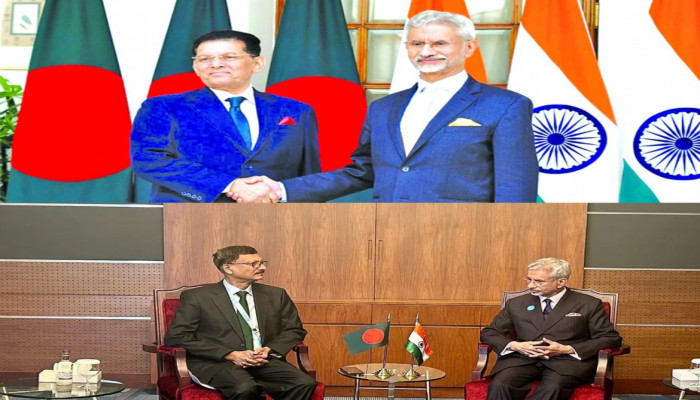
India and Bangladesh have taken a clear step towards restoring their bilateral relationship after a period of strain. Both countries have agreed to move forward with the normalisation of ties and rebuild cooperation across key sectors. This development follows high-level talks held in New Delhi during Bangladeshi Foreign Minister Khalilur Rahman’s visit.
Rahman met India’s External Affairs Minister S. Jaishankar along with other senior officials. The discussions marked an important moment in restarting diplomatic engagement between the two nations. Both sides agreed to revive existing mechanisms that help resolve differences and strengthen cooperation, especially in trade and energy.
This visit is significant as it is the first ministerial-level interaction since the Bangladesh Nationalist Party (BNP), led by Tarique Rahman, secured a sweeping victory in the February general elections. The change in government had led to a pause in high-level engagements, making this meeting a crucial step towards rebuilding trust.
The Indian government has also shown a proactive approach in reaching out to the new BNP administration. The aim is to rebuild a partnership that had weakened during the tenure of the previous interim government. Officials on both sides appear keen to move beyond recent tensions and create a more stable and cooperative regional environment.
A major part of the discussions focused on handling sensitive issues without affecting overall bilateral progress. One of the key matters was Bangladesh’s request for the extradition of former Prime Minister Sheikh Hasina and former Home Minister Asaduzzaman Khan Kamal. Both leaders have reportedly been sentenced to death by Bangladesh’s International Crimes Tribunal. Their presence in India remains a sensitive topic in ongoing talks.
The two countries also discussed the case of two Bangladeshi nationals who were recently arrested in West Bengal. They are accused of the assassination of radical leader Sharif Osman Hadi. Bangladesh confirmed that both sides have agreed to handle the return of these suspects according to the existing extradition treaty. India, however, maintained a cautious stance in its public comments on these legal matters.
Despite these challenges, both sides emphasised that such issues should not disrupt broader cooperation. The focus remains on restoring people-to-people connections and improving economic ties. India acknowledged that the presence of exiled Awami League leaders is an important issue, but both countries are working to ensure that it does not slow down diplomatic progress.
During the meetings, S. Jaishankar expressed India’s willingness to engage constructively with the new government in Dhaka. He discussed several proposals to strengthen cooperation in multiple areas. Follow-up meetings between officials from both countries are expected to take place soon to carry forward these discussions.
Minister Rahman highlighted his country’s approach by stating a "Bangladesh First" foreign policy. He said future cooperation would be based on "mutual trust, respect, and reciprocal benefit." This statement reflects Dhaka’s intention to build balanced and stable relations with India.
One of the key outcomes of the visit is the expected easing of visa restrictions. India indicated that medical and business visas will become easier to obtain in the coming weeks. This decision addresses a major concern raised by Bangladesh during the period of strained relations. It is also expected to boost travel, especially for Bangladeshis who visit India for healthcare and business purposes.
Energy cooperation was another major area of discussion. In his meeting with Petroleum and Natural Gas Minister Hardeep Singh Puri, the Bangladeshi Foreign Minister requested increased supplies of diesel and fertilisers. These demands come at a time when global energy markets are under pressure due to ongoing conflicts in West Asia.
India responded positively to these requests, stating that it is open to increasing supplies depending on market conditions. This highlights the strong economic interdependence between the two countries. Stable energy and commodity supply chains are seen as essential for maintaining regional economic balance.
The visit also included broader political and security discussions. Rahman held a private meeting with National Security Adviser Ajit Doval. In addition, Bangladesh Prime Minister’s foreign affairs adviser Humayun Kabir engaged with Indian political leaders, including members of the BJP’s foreign affairs department.
These multiple engagements show that both countries are working on several levels at the same time. The goal is to align their security, political, and economic priorities. This coordinated effort reflects a serious attempt to rebuild trust and create a long-term partnership.
Overall, the visit signals a fresh start in India-Bangladesh relations. While challenges remain, both sides appear committed to addressing them through dialogue. The focus on practical cooperation, along with efforts to ease tensions, suggests that the relationship is moving towards a more stable and productive phase.



 Loading...please wait
Comments