



India and Oman sign FTA, 98% exports duty free
- In Reports
- 04:52 PM, Dec 20, 2025
- Myind Staff
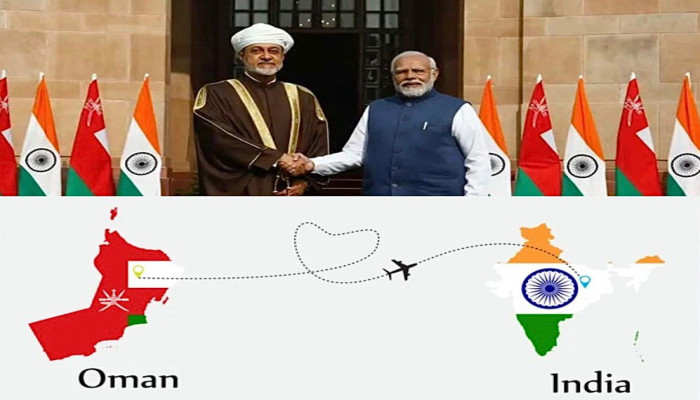
India and Oman have signed a Free Trade Agreement (FTA) that will strengthen economic and strategic relations between the two countries in the Persian Gulf region. This deal comes at a critical time when Indian exporters are facing challenges in many parts of the world. The pact, known as the Comprehensive Economic Partnership Agreement (CEPA), is the second such agreement India has signed with a West Asian country, following a similar deal with the United Arab Emirates a few years ago.
The main feature of the agreement is that it allows almost all Indian goods to enter Oman without paying import duties. Specifically, 98% of Indian exports to Oman will be duty-free. On the other side, India has agreed to remove tariffs on 77% of goods imported from Oman, with some important exceptions. These exceptions include sensitive products such as farm and dairy products, gold, and oil and gas, which will not be part of the duty removal. Under this agreement, Oman will also allow several specific products from India to enter with zero duty, but this applies only up to specified quantities. These products include Omani dates, marble, and some petrochemical goods.
The trade relationship between the two countries has grown steadily over recent years. In the financial year 2024–25, Indian exports to Oman were worth about $4.1 billion, while imports from Oman were around $6.6 billion.
Before the agreement was signed, many Indian products already faced some duty in the Omani market. Around 85% of Indian items entering Oman were charged 5–6% duty, and several other food and industrial products faced duties as high as 100%. Under the new agreement, these duties will be gradually removed once the CEPA is implemented. This implementation is planned to take place in the first quarter of 2026. India is hopeful that this trade deal will help it grow its exports of electronic goods to Oman, potentially making India the largest supplier of electronics in the Omani market, similar to its role with the UAE.
The agreement also includes important benefits beyond just reducing tariffs. It is expected to help service providers and professionals from India through changes in visa rules. Officials have said that these changes will make it easier for Indian firms and workers to operate in Oman. Additionally, the CEPA will open doors for India’s AYUSH industry — which includes traditional medicine and wellness products — to enter the Omani market more easily.
Another key feature of the deal is that Oman has agreed to fast-track approvals for Indian pharmaceutical products. This means that Indian medicines and health products can reach the Omani market more quickly. Oman has also agreed to accept certifications for halal and organic food given by Indian authorities, which will help Indian exporters of these products.
Officials have also mentioned that a social security agreement between the two countries is being prepared. This could help Indian workers in Oman by ensuring certain employment benefits and protections. The CEPA was formally signed by India’s Commerce and Industry Minister Piyush Goyal and Oman’s Minister for Commerce, Industry and Investment Promotion, Qais bin Mohammed Al Yousef. The signing took place during the visit of Prime Minister Narendra Modi to Oman.
Both governments have described the deal as historic. They say it will not only boost trade but also strengthen cooperation in many sectors over the coming decades. The CEPA is expected to create a more open and secure trading relationship, which could encourage more investment and economic engagement between India and Oman.
Officials also believe that the trade agreement will help Indian exporters compete better in the global market. By removing tariffs and improving market access in Oman, Indian products such as marine products, automobiles, plastics, engineering goods and dairy items may find new opportunities for growth. The pact is designed to support exporters, promote stronger economic cooperation, and open new markets for Indian businesses. Implementation is set to begin in early 2026, and both sides hope that this agreement will bring long-term benefits for trade and strategic relations.



 Loading...please wait
Comments