




India and 39 nations raise concerns over China-led investment facilitation agreement proposal
- In Reports
- 01:13 PM, Mar 23, 2026
- Myind Staff
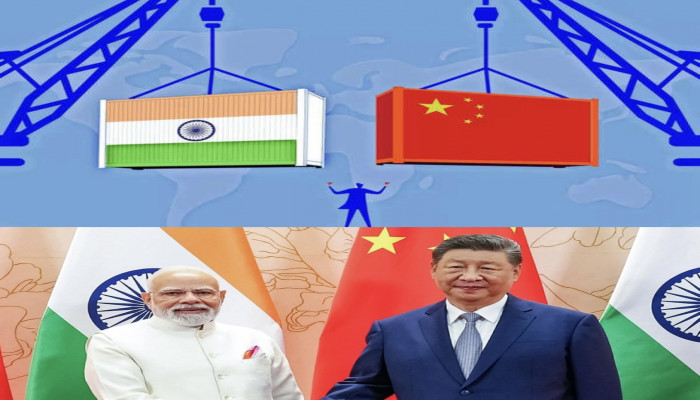
Around 40 countries, including India and Türkiye, have raised concerns over a China-backed proposal for an Investment Facilitation for Development (IFD) agreement at the World Trade Organisation. The issue has come up ahead of the organisation’s upcoming ministerial meeting, where countries are expected to discuss and possibly push forward the proposed framework. Officials familiar with the matter said that this development is significant, especially as supporters of the proposal are trying to secure a final agreement during the WTO’s 14th Ministerial Conference (MC14) scheduled to take place in Cameroon from March 26 to 29.
The proposal, led by China, has already received backing from over 120 WTO members. Supporters argue that the agreement will help simplify investment procedures and improve transparency, making it easier for global investors to operate across borders. They believe that such a framework could encourage more international investment, particularly in developing economies, by reducing bureaucratic hurdles and making systems more predictable.
However, several countries have expressed serious reservations about the structure and implications of the proposed agreement. One of the main concerns is that the framework could introduce a pre-investment screening or appeal mechanism through an independent body. This system would allow investments to be reviewed before they are approved, which many nations feel could limit their ability to control and regulate investments according to their own domestic priorities.
Countries opposing the proposal are particularly worried that such provisions may reduce policy flexibility. Governments often need the freedom to design investment rules that suit their economic conditions, development goals, and national interests. The introduction of a standardised global mechanism could restrict this flexibility, making it harder for countries to adapt their policies when needed.
Another important issue raised by these nations is the potential impact on developing and poorer countries. Critics argue that the agreement may not adequately address the needs of less-developed economies and could instead place additional obligations on them. There are fears that such countries may struggle to comply with new rules and procedures, which could put them at a disadvantage rather than helping them attract investments.
The debate over the proposal is also linked to a broader discussion within the WTO about the role and scope of such agreements. Some countries believe that investment-related issues go beyond the traditional mandate of the organisation, which primarily focuses on trade. They argue that introducing new frameworks without a wider consensus could set a precedent for future agreements, potentially changing the nature of the WTO itself.
Supporters of the China-led initiative, on the other hand, continue to push for progress, emphasising the potential benefits of smoother investment flows and better coordination among member countries. They see the agreement as a step towards modernising global trade and investment systems in a rapidly changing economic environment. With the upcoming ministerial meeting approaching, efforts are being made to build consensus and address the concerns raised by opposing nations.
The discussions are expected to be a key focus at the WTO gathering, as countries attempt to find common ground on this issue. While some progress may be made, it is clear that significant differences remain between supporters and critics of the proposal. The outcome of these negotiations could have long-term implications for how international investment is governed and how much control individual countries retain over their economic policies.
Overall, the concerns raised by India and other nations highlight the complexities involved in creating global investment rules. As debates continue, the challenge for WTO members will be to strike a balance between facilitating investment and protecting national interests. The upcoming discussions in Cameroon will play an important role in determining the future direction of this proposed agreement and its acceptance among member countries.



 Loading...please wait
Comments