




In a tit for tat move, Spain imposes temporary border checks for Italy over Ceuta crisis
- In Reports
- 03:35 PM, Aug 08, 2026
- Myind Staff
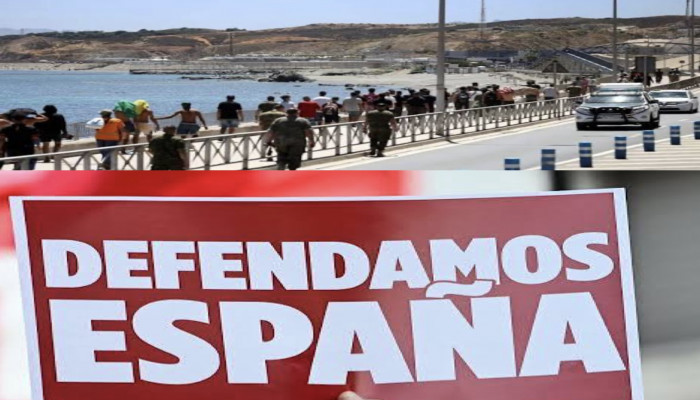
Spain has announced temporary border checks on travellers arriving from Italy, in a tit-for-tat response to Rome’s decision to impose similar controls on people travelling from Spain. The move follows a mass migrant rush into Spain’s North African territory of Ceuta and marks a rare dispute between two European Union and NATO allies over migration and border security.
Spain’s Interior Ministry said the new checks would begin at midnight on Saturday and remain in place until September 7. The ministry said the measures were being introduced amid the “persistent irregular migration pressure” facing Italy. The checks came only hours after Spain warned that it could take countermeasures if Italy did not quickly remove its own controls.
The dispute began after tens of thousands of people crossed from Morocco into Ceuta on July 30 and 31. The crossings were described as an unprecedented and deadly rush. The incident angered several EU countries that support a tougher approach to irregular migration. Italy was among them and responded by suspending visa-free Schengen travel arrangements with Spain for one month.
The Spanish government strongly criticised Italy’s decision on Friday. It called the measure “unfair, contrary to the EU's interests and discriminatory for the Spanish population”. Foreign Minister Jose Manuel Albares also described the move as “a torpedo fired at the hull of European unity.”
The Spanish government called on Italy to reverse its decision. “We urge the government of Italy to rectify, put an end to the checks and treat Spaniards like other European citizens,” the government said. Albares warned that Spain would introduce “proportional measures” by Sunday if Italy refused to lift the controls.
Italy, however, rejected Spain’s demand within hours. The government of far-right Prime Minister Giorgia Meloni said it “had no intention of revising the decision” before August 15. Italian authorities said Spanish officials expected another wave of migration to reach Ceuta around that date.
“Italy does not accept ultimatums or impositions from abroad regarding national security and border control,” Meloni's office said in a statement. The statement added, “Only when there is certainty that there are no security or terrorism risks to Italy, that no new wave is occurring, and that no irregular migrants are heading toward European territory, will the decision be reconsidered.”
Spain then announced its reciprocal border measures within hours. Spanish police have also been monitoring online rumours and social media posts about possible new arrivals in Ceuta in mid-August, according to local media reports. Spanish authorities, however, have not officially said that they expect another mass crossing.
Italy introduced its controls on July 31 at maritime and air entry points for third-country nationals arriving from Spain. The measure was described as an “extraordinary measure” aimed at protecting national security and preventing possible consequences for Italy. Meloni had also said at the time that the controls were needed in response to the situation in Ceuta.
Italy has no land border with Spain. Its decision affects people arriving by sea and air from Spain. Italian authorities said they would still “do their utmost to ensure maximum ease of movement for Spanish and European citizens” who are not affected by the checks.
Meloni was among EU leaders who called for Spain to be suspended from the visa-free Schengen travel zone after the Ceuta incident. Such a suspension, however, is not legally possible under the existing rules. Italy’s coalition government has also continued its efforts to prevent large numbers of migrants from reaching the country by small boats each year.
The Spanish government has urged both countries to avoid allowing the dispute to create wider divisions within Europe. It warned against “creating rifts and sterile conflicts driven by internal electoral motives” and said, “we trust that pro-European sentiment, common sense and good faith prevail”.
The scale of the Ceuta crisis remains significant. Spanish officials said around 72,000 people entered Ceuta during the mass crossing, with about 70,000 later returning to Morocco. Spanish authorities reported 80 deaths during the crossings. Moroccan rights groups, however, put the death toll much higher.
The Moroccan Association for Human Rights and the European Coordination for Human Rights in Morocco said on Friday that at least 141 people had died. The groups also warned that the number could rise further. Morocco’s Interior Ministry said 11 people died on the Moroccan side of the border. All but one of those deaths were caused by drowning.
Those still in Ceuta include hundreds of unaccompanied children. They are facing difficult conditions, with limited access to food, water and shelter as authorities deal with the aftermath of the mass crossings.



 Loading...please wait
Comments