




IMF clears $1.32 billion for Pakistan amid economic woes
- In Reports
- 01:44 PM, May 09, 2026
- Myind Staff
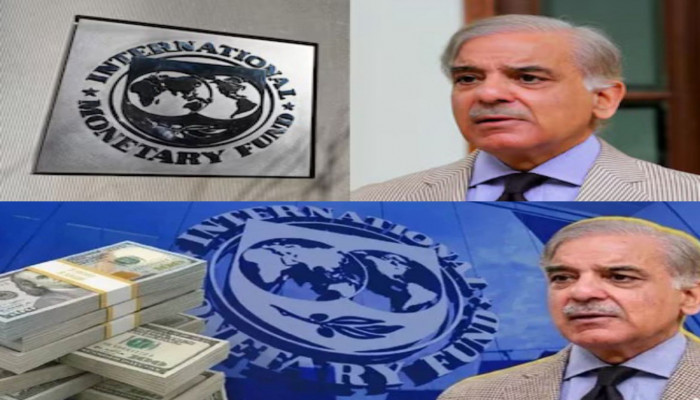
The International Monetary Fund (IMF) has approved fresh funding worth $1.32 billion for Pakistan after completing reviews of the country’s ongoing financial agreements. The decision gives Islamabad immediate access to the funds. This comes at a time when the country continues to deal with economic pressure, inflation, and fiscal challenges.
According to the IMF, Pakistan will receive the amount in two separate instalments. Around $1.1 billion will come under the Extended Fund Facility (EFF), while nearly $220 million will be provided through the Resilience and Sustainability Facility. With this latest approval, Pakistan has now received nearly $4.8 billion under its two ongoing IMF loan programmes.
Pakistan is currently operating under a $7 billion IMF programme. The country had reached a staff-level agreement with the IMF in March, which laid the foundation for the latest approval.
The IMF said the global situation has become more difficult since the start of the conflict in the Middle East and stressed the need for Pakistan to continue following strict economic policies. “Amid a more challenging and highly uncertain external environment since the onset of the war in the Middle East, Pakistan needs to maintain strong macroeconomic policies while accelerating reform efforts,” the IMF said in a statement.
Pakistan’s central bank had earlier raised its key policy rate by 100 basis points to 11.5 per cent in April. It was the first interest rate increase in almost three years. The IMF supported the move and said, “The State Bank of Pakistan has acted proactively to maintain an appropriately tight monetary policy stance.”
According to a report by The Express Tribune, the funds are expected to be released early next week. The report stated that the disbursement could push Pakistan’s foreign exchange reserves to over $17 billion.
During the approval, Pakistan has been asked to continue following previously agreed fiscal and monetary targets. The government has committed itself to staying on the path of economic stabilisation even as criticism grows inside the country over rising unemployment, poverty, and income inequality linked to strict economic measures.
The IMF approval came after Pakistan showed improvement in meeting fiscal and monetary goals during the review period. The IMF mission examined the country’s economic performance for the July to December 2025 period, including the third review of the $7 billion bailout package.
Pakistan managed to meet all end-December 2025 quantitative performance criteria. The country also performed better than expected on the target for net international reserves. In addition, the government successfully achieved its primary balance target.
However, some areas remained weak. Pakistan met six out of eight end-of-December 2025 indicative targets, but the Federal Board of Revenue failed to achieve important tax collection goals. Targets related to net tax revenues and income tax collection from retailers were missed and remained below IMF expectations.
To address these shortfalls, the Pakistani government assured the IMF that it would continue working on reforms in revenue administration. The aim is to reduce the revenue gap before the end of the fiscal year.
The government has also raised petroleum levy rates to compensate for the revenue shortfall and ensure IMF targets remain on track. Alongside fiscal measures, Pakistan showed progress in structural reforms. It completed four governance-related benchmarks on time. These included reforms linked to social support programmes, sustainability in the gas sector, and special technology zones.
As part of the conditions attached to the $1.2 billion climate-related facility, Pakistan adopted a green taxonomy framework. The government also introduced guidelines for managing climate-related financial risks. New disclosure guidelines for climate-related risks and opportunities were also issued for listed companies.
Pakistan’s Finance Minister Muhammad Aurangzeb assured the IMF that the government remains committed to economic reforms and financial discipline. He stated that Pakistan would continue focusing on sound macroeconomic policies and long-term reforms aimed at stabilising the economy.
The minister assured the IMF that the country was committed “to maintaining sound and prudent macroeconomic policies and to pursuing structural and institutional reforms to place Pakistan on a path toward long-term, sustainable, and inclusive growth.”
Pakistan has also promised the IMF that it will continue following the agreed fiscal roadmap despite tensions and uncertainty linked to the conflict in West Asia. The government has committed itself to achieving the ₹3.4 trillion primary budget surplus target.
According to another assurance given to the IMF, Pakistan’s upcoming budget will be prepared in consultation with the global lender. The aim is to keep the budget fiscally tight and avoid policies focused on rapid economic growth that could increase financial pressure on the economy.
The latest IMF approval provides Pakistan with temporary financial relief and stronger reserves. At the same time, it also increases pressure on the government to continue reforms, maintain fiscal discipline, and manage public criticism over the economic impact of these measures.



 Loading...please wait
Comments