




ICC removes chief prosecutor Karim Khan over sexual misconduct allegations
- In Reports
- 09:38 PM, Jul 25, 2026
- Myind Staff
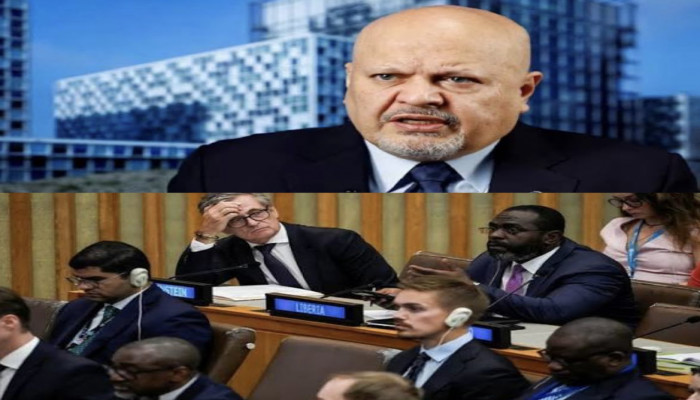
Karim Khan, the International Criminal Court’s (ICC) chief prosecutor, has been dismissed following allegations of sexual misconduct. Members of the ICC voted, with 82 in favour, to remove Khan, who had been suspended last month. Khan was the ICC’s third prosecutor, elected in 2021. The court’s oversight body found in June that he had committed a "serious breach of duty and serious misconduct" by engaging in an inappropriate sexual relationship with a junior ICC staff member and obstructing her from filing a complaint.
Khan has denied all allegations against him. His lawyer stated he intends to challenge "the lawfulness and fairness of the decision through all available legal mechanisms." However, it remains unclear which legal options are still open to him following his dismissal.
The ICC’s statement after the vote said it "took note" of the decision made by the Special Session of the Assembly of States Parties, which includes 125 member states who voted for Khan’s removal. The court emphasised it "will continue to attach the utmost importance to maintaining a safe, inclusive, and respectful working environment for all personnel."
This situation, however, extends beyond just the fate of one prosecutor. The investigation has brought intense scrutiny on the court, deepened internal divisions, and added pressure to a tribunal already facing an unprecedented campaign aimed at weakening or dismantling it entirely. Supporters worry that these developments might leave the ICC less effective at addressing major global crimes.
Khan, a well-known British lawyer, has been on voluntary leave since May 2025 to respond to the allegations. He remains suspended from practising law in the UK after the Bar Standards Board imposed an interim ban while it investigates. He could not attend the vote held at the United Nations headquarters in New York because the United States prohibits his entry under sanctions imposed during the Trump administration. These sanctions were a response to the ICC’s investigation into alleged war crimes by Israeli officials in Gaza.
The controversy surrounding Khan is unlikely to end with his dismissal. The case revealed procedural weaknesses in the court’s handling of such sensitive allegations, leading to diminished confidence in the body responsible for oversight—the Independent Oversight Mechanism (IOM). In May 2024, a third party reported allegations that Khan had engaged in sexual misconduct involving a female staff member. The IOM initially investigated but later closed the case after the alleged victim declined to cooperate. The investigators found insufficient evidence to support the allegations at that time.
The issue was referred again in October 2024, shifting to the United Nations Office of Internal Oversight Services (OIOS) for a broader inquiry into sexual misconduct and abuse of authority. OIOS conducted an extensive investigation from November 2024 to December 2025, producing over 5,000 pages of evidence and testimony. Their findings were reviewed by a panel of three judges, who assessed whether Khan's actions constituted serious misconduct, less serious misconduct, or no misconduct at all.
These developments unfolded amid extraordinary pressure on the ICC, overlapping with growing political tensions worldwide. The United States imposed sanctions against Khan after he sought arrest warrants for Israeli Prime Minister Benjamin Netanyahu and former Defence Minister Yoav Gallant related to alleged Gaza war crimes. The U.S. government’s stance toward the ICC has become increasingly hostile. Earlier this month, the U.S. launched a comprehensive campaign aimed at dismantling the ICC "brick by brick." This includes visa bans, asset freezes, and diplomatic efforts to persuade allied countries to pull out of the court or reject its jurisdiction over their nationals.
The ICC faces opposition from powerful nations such as the United States, Russia, and Israel, none of which are ICC members. Despite this, the court retains the authority to prosecute crimes committed by nationals of these countries on ICC member states’ territories. This authority continues to fuel tension between the court and these countries.
The consequences of Khan’s dismissal and the ongoing controversy reflect broader challenges for the ICC. The tribunal confronts political pressures and internal challenges while striving to hold perpetrators of the gravest crimes accountable. The court must also maintain trust within its own ranks and among the international community to function effectively.
Amidst this, the ICC remains committed to its mission. Its statement following Khan’s removal reinforced the importance of fostering a safe workplace and upholding the values essential to international justice. At the same time, the events signify a critical moment for the ICC, which faces tests on multiple fronts—from managing internal conduct issues to navigating geopolitical opposition.
Karim Khan’s forced exit is not just a personal setback but a reflection of the broader struggle the ICC faces as the world’s only permanent tribunal for war crimes and grave international offences. The investigation and vote have exposed vulnerabilities within the institution and emphasised the need for reform and resilience if the ICC is to continue playing its vital role in global justice.



 Loading...please wait
Comments