




Hungary makes 60,000 Communist-era informer names public in historic disclosure
- In Reports
- 07:24 PM, Nov 04, 2026
- Myind Staff
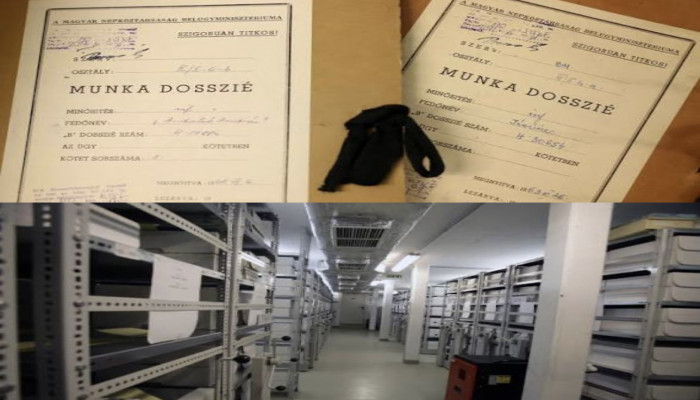
Hungary has released tens of thousands of secret police files from its Communist era in a public online database, giving citizens access to records of the informer network that monitored people during decades of one-party rule.
The move comes more than 36 years after the fall of communism. It fulfils centre-right Prime Minister Peter Magyar's pledge to make the records public and help Hungarians confront their country's totalitarian past. Magyar said around 60,000 names have been made public so far.
"We are implementing now, after 36 years ... what was the promise of the change of regime," Magyar told a briefing at the archives.
The government plans to upload additional files by February 2027. However, the records remain incomplete, as many documents were destroyed in 1956 during Hungary's anti-Soviet uprising and again in 1988-1989.
"I ask everyone to treat this long overdue publication of documents with dignity and humanity ... as many families will now face difficult information often related to a deceased member of their family ... It is impossible to process a trauma without discussion and asking questions," Magyar added.
Although Communist rule ended in 1989, successive Hungarian governments delayed the full release of the files due to a lack of political will. Until now, ordinary citizens could access only records concerning themselves or close relatives, while researchers had wider access. From Wednesday, anyone can search the online database for names connected to the former state security services.
During the Cold War, secret police agencies across Eastern Europe relied on members of the public to spy on citizens. Authorities often recruited informers through blackmail, threats or rewards.
Former Prime Minister Viktor Orban said on Tuesday that Communist secret services had tried to recruit him as an informer during his military service. He said he refused the offer and later became a target of extensive police surveillance.



 Loading...please wait
Comments