




Hungary braces for major power crisis amid looming nuclear plant shutdown
- In Reports
- 03:05 PM, Aug 03, 2026
- Myind Staff
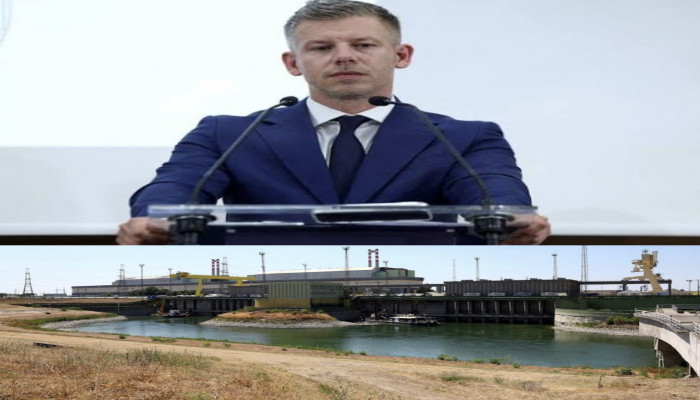
Hungary is preparing for a difficult week after the country's only nuclear power plant was forced to shut down due to critically low water levels in the Danube River. Prime Minister Peter Magyar warned that the next five days will be the most challenging as the country faces extreme heat, rising electricity demand and pressure on essential services.
Large parts of Europe have experienced prolonged heat and drought in recent weeks. The severe weather has reduced river water levels across the continent. This has raised concerns over water supplies, river transport and electricity generation in several countries.
Hungary's Paks nuclear power plant has been among the worst affected. The 2-gigawatt facility, which operates four Russian-built reactors, depends on water from the Danube River to cool its reactors. On Sunday, the plant was operating at just over 10 per cent of its total capacity after the river reached a record low level.
The country's water authority has projected that the Danube will continue to fall in the coming days. The river flows through several European countries from Germany to the Black Sea. The continued decline in water levels has increased concerns over the plant's ability to resume normal operations soon.
Prime Minister Peter Magyar said the country is entering its most difficult phase of the crisis. In a video posted on Facebook, he said, "We are facing the most critical five days ahead. Tomorrow, the Paks power plant will not be generating, while the hottest, 40-degree (Celsius, 104 Fahrenheit) days are ahead. The power grid, our public services and ourselves will all come under enormous strain."
Magyar also warned that the Paks nuclear power plant could remain out of operation for several weeks. Such a prolonged shutdown would put additional pressure on Hungary's electricity system during a period of exceptionally high temperatures.
The impact of the drought is extending beyond the energy sector. Falling water levels in the Danube have disrupted river shipping and affected tourism activities in Hungary. Government records also show that more than 100 cities and villages, including areas on the outskirts of Budapest, have introduced restrictions on water use as authorities try to manage limited supplies.
The government has appealed to businesses, public institutions, local governments and households to reduce electricity consumption during the evening peak hours. People have been asked to shift their electricity use away from the period between 5 p.m. and 10 p.m. to help reduce pressure on the national power grid.
Magyar said the government would decide on Sunday whether to introduce mandatory electricity-use restrictions for large companies starting Monday. Such measures would be aimed at lowering demand while the country's main source of nuclear power remains unavailable.
The financial impact of the crisis is also expected to be significant. Mark Radnai, vice chairman of Magyar's Tisza party, said on Facebook that Hungary could face losses ranging between 100 billion and 200 billion forints, or about $315 million to $630 million. The estimate reflects the expected increase in the cost of imported electricity needed to meet domestic demand during the shutdown.
Hungary has relied heavily on the Paks nuclear power plant for decades. The current shutdown marks the first time in more than 40 years that the country's only nuclear power station has stopped operating due to low water levels in the Danube. With temperatures expected to reach 40 degrees Celsius in the coming days and river levels still falling, authorities are closely monitoring the situation while preparing for additional measures to protect the country's power supply and essential services.



 Loading...please wait
Comments