




Houthis demand $51 billion and official recognition as legitimate rulers to end war
- In Reports
- 05:33 PM, Nov 06, 2026
- Myind Staff
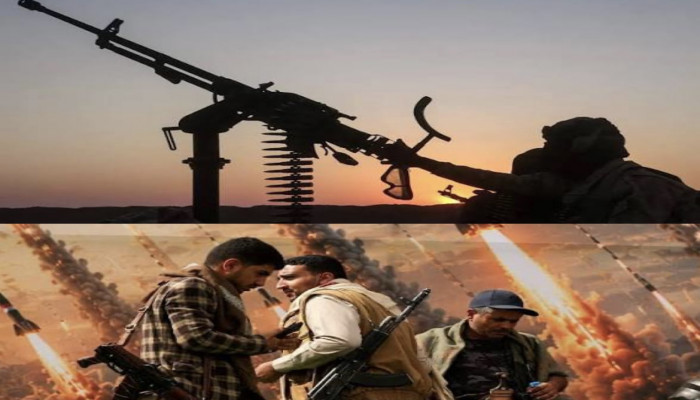
Yemen's Houthi rebels have reportedly demanded $51 billion from Saudi Arabia and official recognition as the country's legitimate rulers in exchange for ending the war, according to a report by The Wall Street Journal (WSJ).
The demand followed Saudi Arabia's outreach to the Iran-backed group to explore a negotiated settlement. The move came after Houthi attacks on Saudi oil tankers in the Red Sea and the seizure of territory overlooking the strategic Bab al-Mandeb chokepoint.
People familiar with the discussions told the WSJ that the Houthis sought $51 billion in compensation for years of Saudi airstrikes and a prolonged blockade. Although other figures have since been discussed, the group continues to demand tens of billions of dollars.
The rebels also want Riyadh to recognise them as Yemen's legitimate rulers. This would mean Saudi Arabia accepting an Iranian-armed adversary along its southern border.
Fighting has intensified again this summer, with Houthi attacks on Saudi oil facilities and airports. The group has also launched a fresh offensive to capture strategic areas in Yemen.
The rebels are advancing towards Aden, the port city that serves as the seat of Yemen's internationally recognised, Saudi-backed government. They have moved within around 50 miles of the city, their closest position since seizing parts of it in 2015.
On October 31, the Houthis targeted the presidential palace in Aden with two missiles, a police official told AFP. The city has faced repeated attacks since the dormant civil war reignited in July. The group also stepped up strikes on Saudi Arabia in October, carrying out attacks almost daily, particularly towards the end of the month.
Saudi Arabia has responded with repeated airstrikes. However, Crown Prince Mohammed bin Salman remains reluctant to negotiate without securing military gains that could strengthen the kingdom's position, Saudi officials told the WSJ.
The crown prince, who runs the kingdom under his 90-year-old father, King Salman, is also concerned that sending more troops to Yemen could cause heavy casualties and trigger public anger. Saudi authorities have not publicly disclosed dozens of casualties already suffered by their forces.
The Houthis have also targeted locations in Yemen that could serve as assembly points or command centres for a Saudi-led ground offensive. A strike in Shabwah governorate killed at least 75 people and injured more than 200, making it the deadliest attack since the conflict reignited.
Kristian Coates Ulrichsen of Rice University's Baker Institute said Saudi Arabia faces greater risks now than during the 2015-2022 phase of the conflict. Attacks on civilian and energy infrastructure have also weakened investor confidence.
Yemeni analyst and Sana'a Centre for Strategic Studies co-founder Maged Al-Madhaji warned that the financial demand could encourage further pressure on Saudi Arabia.
“The bigger problem is establishing a precedent whereby the group can escalate militarily whenever it wants additional concessions or money,” he said.
Saudi Arabia is also facing difficulties in securing military support. The United Arab Emirates, once a key partner in the anti-Houthi campaign, withdrew in December last year following disagreements with Riyadh. Abu Dhabi supports forces seeking an independent South Yemen, opposing Saudi Arabia's goal of keeping the country united.
Riyadh has since sought support through its Mecca Pact with Turkey and Pakistan. The agreement requires members to treat an attack on one as an attack on all. However, Turkey's Parliament has not approved it, while Pakistan has refused to join strikes inside Yemen.
Egypt's Parliament approved military support for Saudi Arabia in October, but President Abdel Fattah Al Sisi said any deployment would remain defensive. The US has also declined direct support against the Houthis after its weeks-long military campaign against the group in 2025.



 Loading...please wait
Comments