




Hormuz shipping rebounds, Iran objects to use of Oman sea route
- In Reports
- 12:57 PM, Jun 26, 2026
- Myind Staff
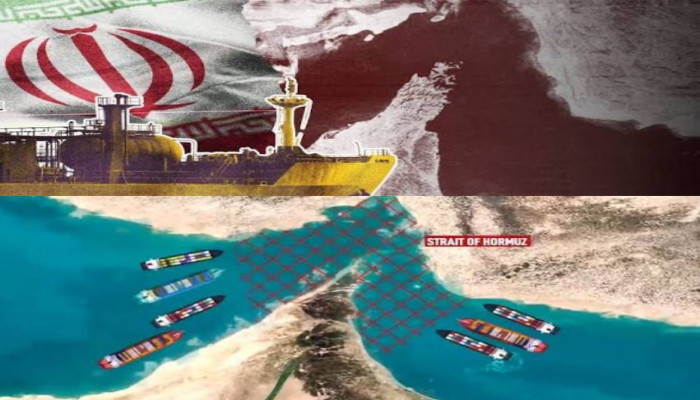
Ship movement through the Strait of Hormuz is recovering after months of disruption linked to the Iran War and rising tensions in the region. Fresh maritime data showed a sharp increase in vessel crossings, signalling that commercial shipping is slowly returning to one of the world's busiest trade routes. However, security concerns and political disagreements continue to create uncertainty over the waterway's future.
According to maritime intelligence firm Kpler, ship crossings through the Strait of Hormuz rose by 105 per cent on June 24, 2026. A total of 70 vessels crossed the strait that day, including 53 commercial ships. Most of these vessels were classified as low-risk. The increase followed the reopening of routes after ongoing demining operations and the use of shipping passages supported by Oman.
The rise in traffic indicates improving confidence among shipping companies. The recovery came after the United States and Iran signed a memorandum of understanding and after the apparent end of the US naval blockade that had restricted vessel movement in the region. Despite the improvement, experts believe shipping has not fully returned to normal.
Several concerns continue to affect commercial traffic. These include warnings issued by Iran's Islamic Revolutionary Guard Corps (IRGC), vessels operating with less visible tracking systems, incomplete demining work, sanctions-related issues, and uncertainty over future control of the strategic waterway. These factors continue to keep shipping companies cautious.
The IRGC warned commercial vessels not to use any route through the Strait of Hormuz unless Tehran approves it. The warning came at a time when the United States and Iran continue delicate negotiations over the future of the waterway. The statement created fresh tension only hours after Oman announced a new shipping corridor through the strait.
Oman introduced the new route on Wednesday and said it developed the corridor in coordination with the International Maritime Organisation (IMO). The country said the route aims to restore safer vessel movement after weeks of disruption in the region.
Iran strongly opposed the announcement. The IRGC said Oman introduced the new shipping route without consulting Tehran. In its statement, the force said, "Certain authorities have announced a new shipping route through the Strait of Hormuz without prior notification to or coordination with the Islamic Republic of Iran. The proposed route is unacceptable and poses serious safety risks."
The IRGC also stated, "The only authorised transit routes through the Strait of Hormuz are those designated by the Islamic Republic of Iran," and said ships passing through the waterway must remain in contact with the IRGC Navy.
Oman defended its decision and maintained that the new corridor follows international maritime rules. Oman's Foreign Minister Badr Albusaidi said the country would continue efforts to ensure safe and free movement through the strait. He also clarified that "future arrangements related to the strait do not involve imposing any transit fees".
The Strait of Hormuz remains one of the world's most important shipping lanes. A significant share of global energy supplies passes through this narrow waterway every day. The disagreement between Iran and Oman comes at a time when commercial shipping started to recover after recent military tensions in the Gulf.
At the same time, Washington and Tehran continue discussions over their temporary agreement aimed at permanently ending the Iran war. Under the current understanding, both countries have a 60-day period to finalise the remaining details of the deal. However, recent public statements of both leaders have created uncertainty over the future of the agreement.
Meanwhile, another security incident added to concerns in the region. A cargo ship travelling through a United Nations-backed route in the Strait of Hormuz came under attack on Thursday. According to the British military, a projectile struck the vessel during its journey. Authorities have not identified the attacker or confirmed the type of ship involved.
The United Kingdom Maritime Trade Operations (UKMTO) centre said the vessel suffered damage in the attack. However, officials confirmed that no crew members were injured and the incident caused no environmental damage. The attack took place only hours after Iran warned commercial ships against using routes through the strait without Tehran's approval.
The reopening of an alternative shipping route could reduce pressure on global trade and limit Iran's influence during ongoing negotiations over the strategic waterway. During a visit to the Gulf, US Secretary of State Marco Rubio said Washington remains committed to protecting free movement through the Strait of Hormuz. Rubio said, "If that stops, then we're going to have a problem."
Although shipping activity has improved significantly in recent days, overall traffic remains below the pre-conflict levels. Oil markets also reacted positively to the gradual recovery. Crude oil prices briefly dropped below the pre-war level of nearly $73 per barrel, reflecting growing expectations that stability may slowly return to the region. Even with signs of improvement, shipping companies and global markets continue to closely watch developments in the Strait of Hormuz as diplomatic talks and security concerns remain unresolved.



 Loading...please wait
Comments