




Hormuz crisis benefits U.S. energy firms, says Rosneft Chief Sechin
- In Reports
- 07:46 PM, Jun 06, 2026
- Myind Staff
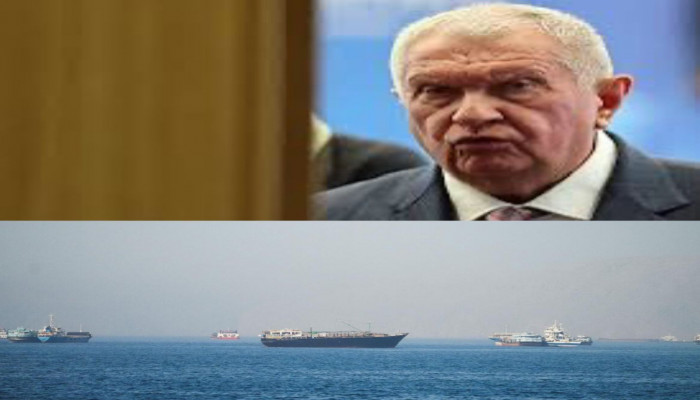
Rosneft Chief Executive Igor Sechin has said that American energy companies are the biggest beneficiaries of the closure of the Strait of Hormuz. He accused Washington of attempting to reshape the global energy market in a way that serves U.S. interests.
The Strait of Hormuz, a crucial route for nearly one-fifth of the world's oil supplies and several other important goods, including fertilisers, was blockaded by Iran after the United States and Israel attacked Iran and killed Supreme Leader Ayatollah Ali Khamenei in February. In response, the United States also blockaded Iranian ports.
The closure of the strategic waterway has caused significant disruption in global markets. Oil prices have surged to multi-year highs, increasing inflationary pressures across countries and weakening economic growth worldwide.
Speaking at the St. Petersburg International Economic Forum (SPIEF), Sechin said the consequences of the blockade extended far beyond Iran. He argued that the situation had created advantages for American energy producers while hurting the broader global economy.
"The closure of the Strait of Hormuz is an attempt to reshape global energy market regulations to benefit the United States. The measures taken to block the strait were aimed at Iran, but backfired on the entire world. The strategic risks were underestimated," Sechin said.
He further stated, "The main beneficiaries, of course, were American companies, who gained non-competitive advantages and the ability to secure high-cost supplies."
Sechin also warned that the current crisis could have wider implications for international trade and energy transportation. According to him, other major maritime routes could also face risks of disruption in the future. He specifically mentioned the Straits of Malacca, Bab el-Mandeb and Gibraltar as key routes that may become vulnerable.
During his address, Sechin also discussed the future of the OPEC+ alliance. He said the group has weakened after the withdrawal of the United Arab Emirates. He noted that the exits of Qatar and several other countries in previous years had also reduced the alliance's influence.
Known for his long-standing scepticism regarding Russia's cooperation with the Organisation of the Petroleum Exporting Countries (OPEC), Sechin said OPEC+ no longer possesses the same strength it once had. He explained that the alliance's combined production has declined significantly over the past decade.
"As a result, the alliance's production has fallen from 58 to 37 million barrels per day over the past ten years," he said.
Sechin added that while most major OPEC+ members have increased oil production since the cooperation agreement was signed in 2016, Russia has moved in the opposite direction. He said the country's oil production has dropped by 1.5 million barrels per day.
According to Sechin, the decline represents a 15 per cent reduction in Russian oil output. He stressed that substantial investments will be required to compensate for these losses and maintain production levels in the future.
"This is a 15% decline that will need to be offset by necessary investments of at least ten trillion rubles. We expect that investment cooperation between the alliance's member countries and our country will also expand," Sechin said.
His remarks come at a time when the closure of the Strait of Hormuz continues to create uncertainty in global energy markets. Rising oil prices, concerns over supply disruptions and questions about the future role of OPEC+ remain key issues for governments, producers and consumers around the world.



 Loading...please wait
Comments